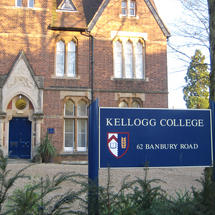
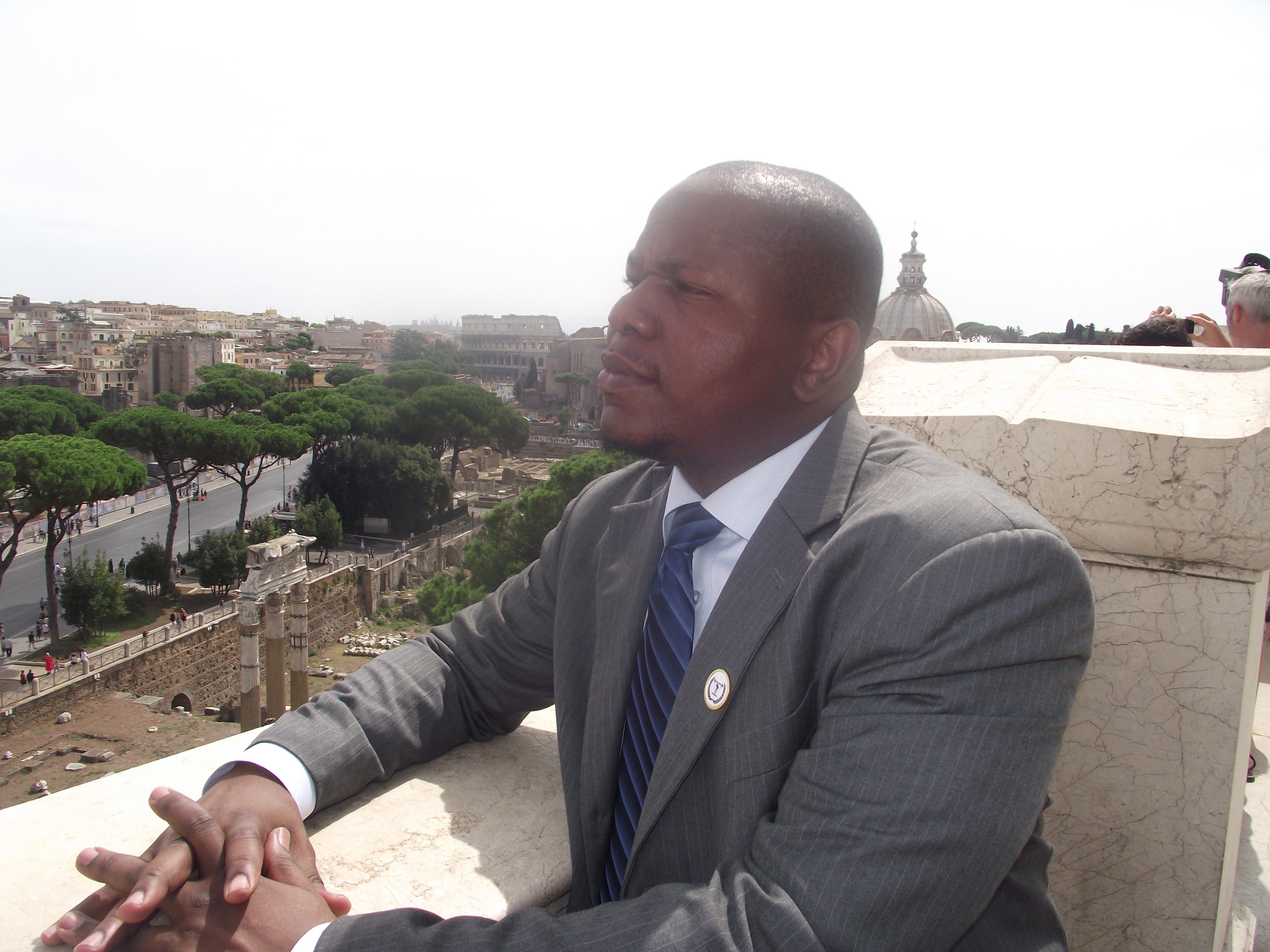
1st Week -Oct 9-15, 2011

Acada begins!

With Freshers’ week now out of the week, work proper started this week. I had 4 core courses spread between Monday-Friday each week; Challenges in Global Health, Health Policy and Public Health, Statistical Concepts for Global Health, and Principles of Epidemiology. Apparently, I will also have to learn a new statistic package –STATA

Meeting with College Advisor: One of the great things about Oxford is that despite its large size, it’s designed to make you feel very welcome and cared for, so apart from having a tutor/supervisor at the department, you are also assigned a college advisor who sees to your welfare and pastoral care. In 1st week, I met with my advisor, Professor Jonathan Michie, who is Professor of Innovation & Knowledge Exchange at Oxford, where he is Director of the Department for Continuing Education and President of Kellogg College. Dr Michie is the son of the biologist Dame Anne McLaren (whose work helped lead to human in vitro fertilization -IVF), and computer scientist Donald Michie.

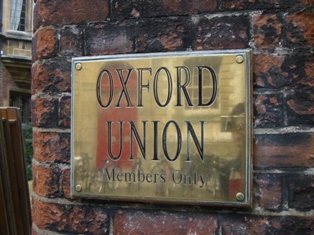
Oxford Union Debate: The Union is the world’s most prestigious debating society, with an unparalleled reputation for bringing international guests and speakers to Oxford. It was founded in 1823 as a forum for discussion and debate, at a time when the free exchange of ideas was a notion foreign to the restrictive University authorities.

Despite the outrageous membership price of over £200, I decided it was an investment in my educational and social experience while at Oxford, an opportunity to sharpen my debating skills and engage with high-profile speakers.

And so it was that on October 13, I attended the most anticipated debate for the term, the No Confidence Debate.

 Proposition: This House Has No Confidence In Her Majesty’s Government”

Leading Proposition: The Rt Hon Hilary Benn MP -Shadow Leader of the House of Commons since 2010

Leading Opposition: Lord Paddy Ashdown:  Formerly leader of LibDems for 10 years

Formal @ Merton College: Formal Dinner is the meal held at Oxford in which students dress in formal attire and often gowns to dine  and various other traditions are usually observed, including grace said in Latin.

Merton College, the first fully self-governing College in the University, was founded in 1264 by Walter de Merton, sometime Chancellor of England and later Bishop of Rochester.

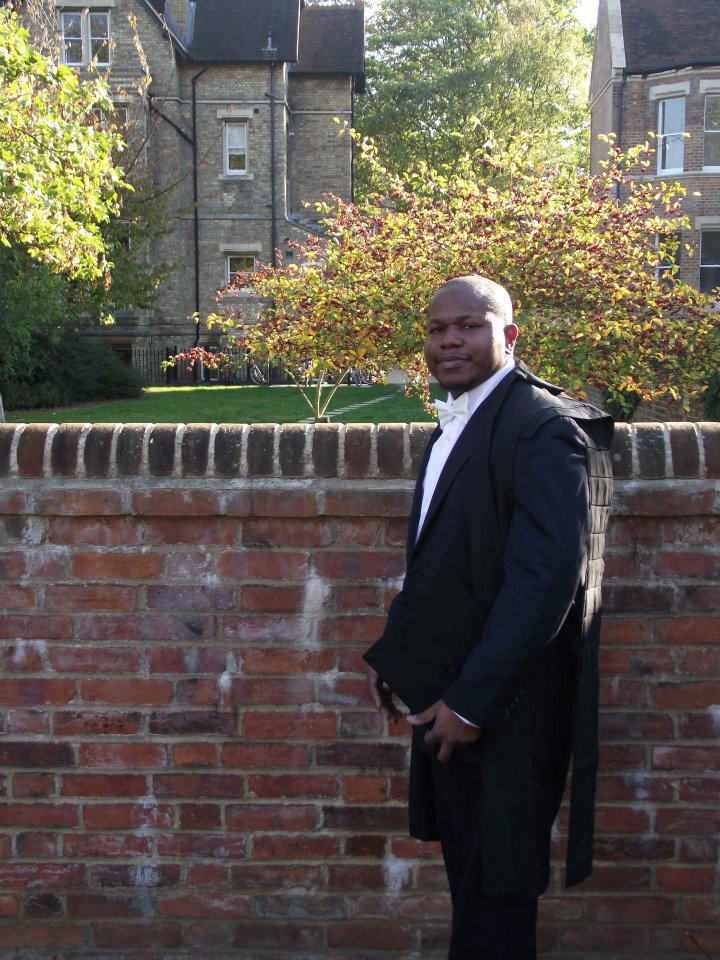
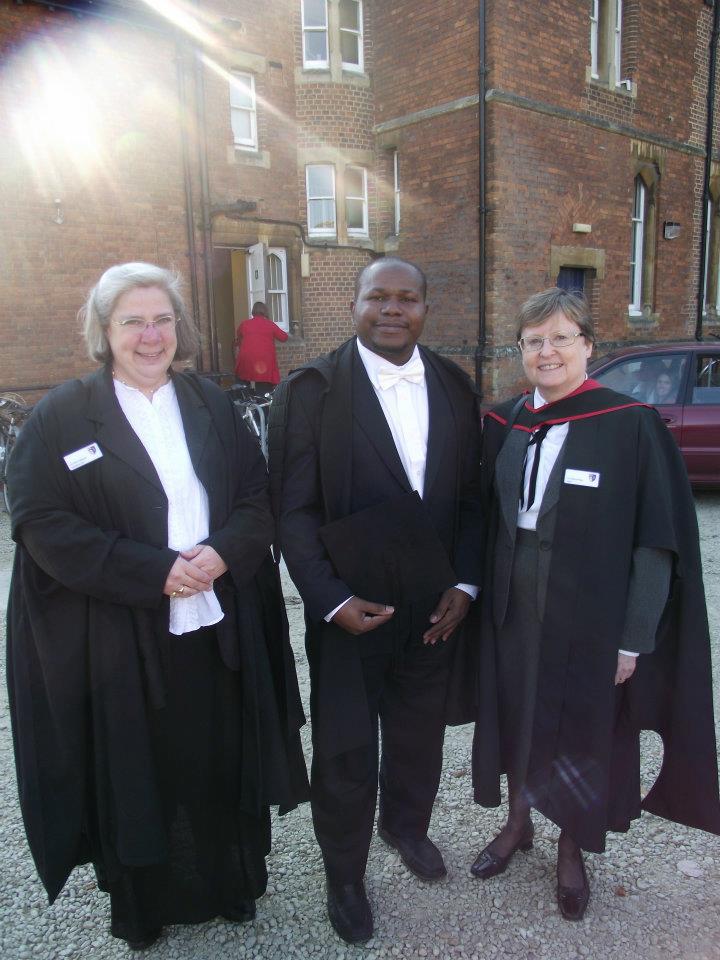
And Matriculation! : Matriculation at Oxford is the ceremony at which new students are entered into the register (in Latin matricula) of the university, at which point they become members of the university. Oxford requires matriculands to wear academic dress with subfusc during the ceremony.

Previously, matriculation was formerly associated with entrance examinations taken before or shortly after matriculation, known as Responsions at Oxford (thankfully) abolished in 1960.

Let’s just say I had a lot of fun dressed up on this day. We had to undergo the ceremony at the Sheldonian theatre in batches arranged by colleges.


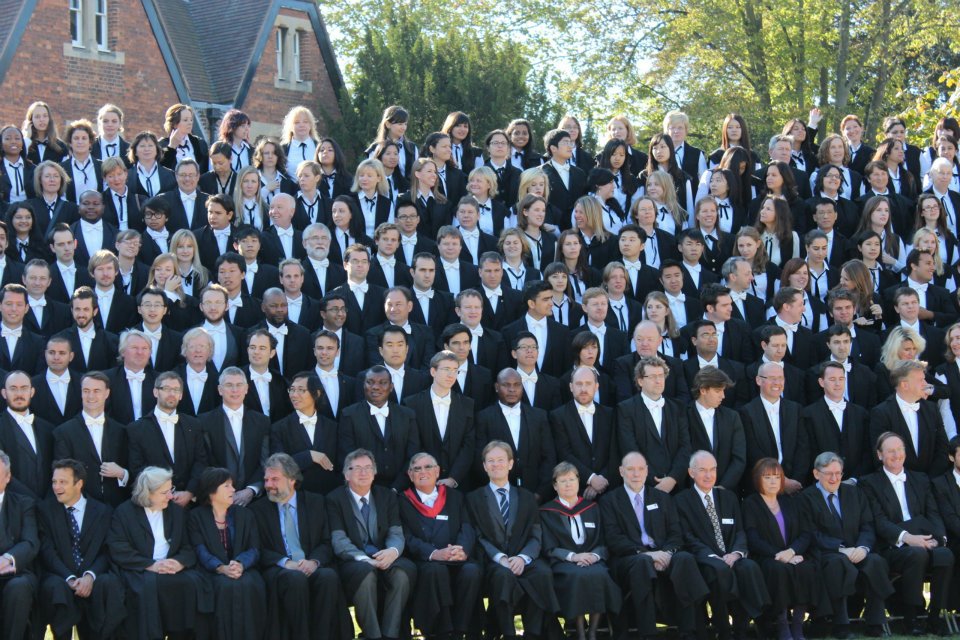
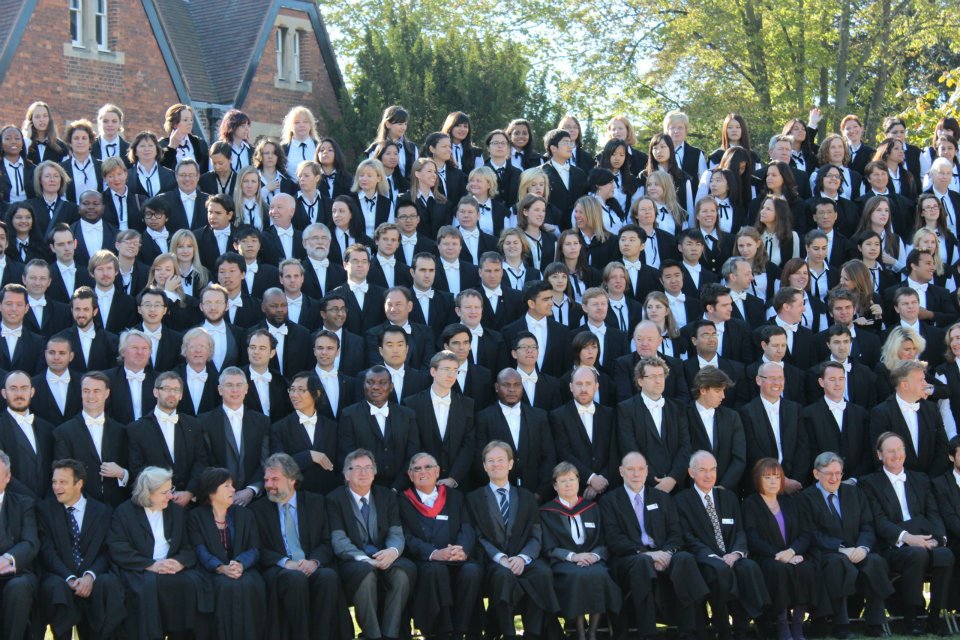
Then we came back to Kellogg College for a group photo. Can you locate me in the picture below? (Hint; I am not the white bearded guy!)

Posted in College, Education, Michaelmas, Oxford | Tagged , , , , , | 3 Comments

Global Health for Dummies – Introducing……Diabetes Mellitus

Definition

Diabetes = “excessive urine‟   Mellitus = “honey sweet‟

DM is a group of disorders characterised by hyperglycaemia

▫ Hyper = too much
▫ Glycaemia = “sugar in the blood‟

  • DM is a disorder of metabolism
  • Most of the food people eat is broken down into 
glucose, the form of sugar in the blood
  • After digestion, glucose passes into the 
bloodstream, where it is used by cells for growth 
and energy
  • Insulin is a hormone produced by the pancreas, 
a large gland behind the stomach
  • For glucose to get into cells, insulin must be 
present

  • When people eat, the pancreas automatically produces the right amount of insulin to move glucose from blood into the cells
  • In DM, the pancreas either produces little or no insulin, or the cells do not respond appropriately to the insulin that is produced
  • Glucose builds up in the blood, overflows into the urine, and passes out of the body in the urine

Types of DM-T1 and T2

T1DM is caused by the destruction or dysfunction of insulin-producing beta cells by the cells of the immune system 


In T2DM, beta cells decline gradually over time, and insulin resistance plays a role in the disease – More common (90-95%) of all cases (US/UK)

Pathophysiology of T2DM

Risk factors

  • Obesity
  • Family history
  • Ethnicity
  • Gestational DM
  • Increasing age
  • Sedentary lifestyle
  • (BP and high cholesterol)

Obesity & T2 DM

 • Up to 80% of all cases of T2DM would not exist if there were no obesity

• Obesity is associated with insulin resistance

 -Blood sugar levels often normalise with weight loss

▫ Even 5-10% reduction in weight has a significant effect

• Note that it is possible for T2DM to exist in normal weight individuals, but this is rare

Signs and Symptoms

The classic triad-

• Polydipsia = excessive thirst
• Polyuria = excessive urination • Polyphagia = excessive hunger

1. None

2. Polydipsia

3. Polyuria

4. Polyphagia

5. Fatigue

6. Recent weight loss

7. Recurrent infections

8. Others, depending on the 
organ/s involved

In addition to above, commonly seen symptoms by doctors:  Obesity
, Evidence of micro- or macrovascular complications , Evidence of neuropathy, Recurrent infections (e.g. thrush)

How is it diagnosed?

  • History and examination
  • BSL
  • Fasting blood glucose
  • Glucose tolerance test (GTT)
  • Urinalysis
  • HBA1C
  • Autoimmune markers

Underdiagnosis

DM may be present for years in the absence of symptoms or signs. Up to 50% of diabetes cases goes undiagnosed, especially in developing countries

In the period prior to diagnosis, significant and potentially irreversible end-organ damage may occur. Prevention and early recognition are important to minimise the impact of complications

 Prevention

Eat well : Around 80% of people with Type 2 diabetes are overweight when diagnosed. Eating a healthy diet that is low in salt, sugar and fat with lots of fruit and veg is a simple way to prevent diabetes.

Be physically active: Apart from making you feel good, getting regular exercise can reduce your risk of developing Type 2 diabetes by up to 64%. 

Stop smoking: Smoking’s not just bad for your lungs. It can also lead to high blood pressure which causes heart disease, and this is a major risk factor for developing Type 2 diabetes.  The risk of dying from heart attack is 5 times higher in folks with diabetes.

Watch your waist: Putting on the pounds round your midriff increases your risk. If you’re a man and your waist is 37 inches or more, or you’re a woman and your waist is over 31.5 inches, then you could be at risk of Type 2 diabetes.

Get checked out: Type 2 diabetes can lay undetected for up to 12 years, which means that 50% of people already have serious complications by the time they’re diagnosed. If you have a large waist, are over 40 and a close member of your family has diabetes, you should get a diabetes test.

Treatment

I have deliberately omitted the section on treatment. I am not qualified to dispense medical treatment advice, kindly consult your doctor. Kindly note that none of the above constitutes medical advice; it is only shared as public health information. Always speak to a qualified medical practitioner

Posted in Uncategorized | Tagged , , , , , , , | 3 Comments

Global Health for Dummies: What everyone deserves to know

It’s been a great time so far in the Global Health Science Program here at Oxford. I am privileged to be in class with 24 other very smart and highly achieving young people from thirteen different countries. While the class is almost evenly divided between medical doctors and non-medics, there is a wide diversity in our backgrounds; from biology majors to international development experts; from published authors to WHO experts. Sometimes, I wonder if they made a mistake in admitting me.

The Department of Public Health (which is where we belong) is a department of the Medical Sciences Division, University of Oxford. It is based at the Old Road Campus, Headington. The Department of Public Health provides a strong environment of multi-disciplinary research and teaching and includes distinguished groups and units such as the British Heart Foundation Health Promotion Research Group, The Health Economics Research Centre, The National Perinatal Epidemiology Unit, the Health Services Research Unit, the Oxford Centre for Ethics and Communication in Health Care and the Unit of Health Care Epidemiology.

The MSc in Global Health Science aims to recruit students whom it believes will be able to assume leadership positions within major international health organisations and ministries of health. The course was founded by Dr. Harold Jaffe, Associate Director for Science at the Centers for Disease Control and Prevention (CDC), and member of the original task force assigned to study the earliest cases of AIDS.

We all have to take four compulsory core modules during the 1st term (Michaelmas):

  • Challenges in global health
  • Principles of epidemiology
  • Principles of statistical methods for epidemiology
  • Health policy and public health

There is an introductory 1-week course at the beginning of the 2nd term (Hilary) in critical appraisal.  We then undertake two advanced modules (and up to two audits) selected from a list of five options:

  • Tropical medicine
  • Vaccinology
  • Health economics
  • Health, environment and development
  • International development
  • Maternal and child health

Having completed core and advanced optional modules and the exams (held 0th week Trinity), we will then complete an overseas research attachment and dissertation during Trinity and Long Vacation with a 10,000 word dissertation to be submitted during the Long Vacation.

There is also a mandatory Management & Leadership Course in Michaelmas term, and a Public Health in Practice group project to be completed over the first two terms.

One of the great aspects of the program, is that they realize some of us do not really know a tumor from a vein, and so there are some special sessions titled “ Non-Medics Sessions” designed to introduce those of us not smart enough to get into medical school (yet) to the basic science behind some of the core topics. Hence we have ‘Diabetes for Non-Medics’, and ‘Cancer for Non-Medics’,etc.


I have enjoyed those sessions and learnt so much that I feel some of that information ought to be known by everyone. Hence in following with the common ‘For Dummies’ books, I plan to put up a couple of ‘Global Health for Dummies’ posts as we go through some of those sessions. I hope you will find them useful, and kind enough to provide feedback

Posted in Education, Global Health, Oxford | Tagged , , , , , , , | 2 Comments

0th (Nought) Week -Oct 2-8, 2011

0th Week is also known as Freshers’ week and is an important moment in every Oxford student’s social life.

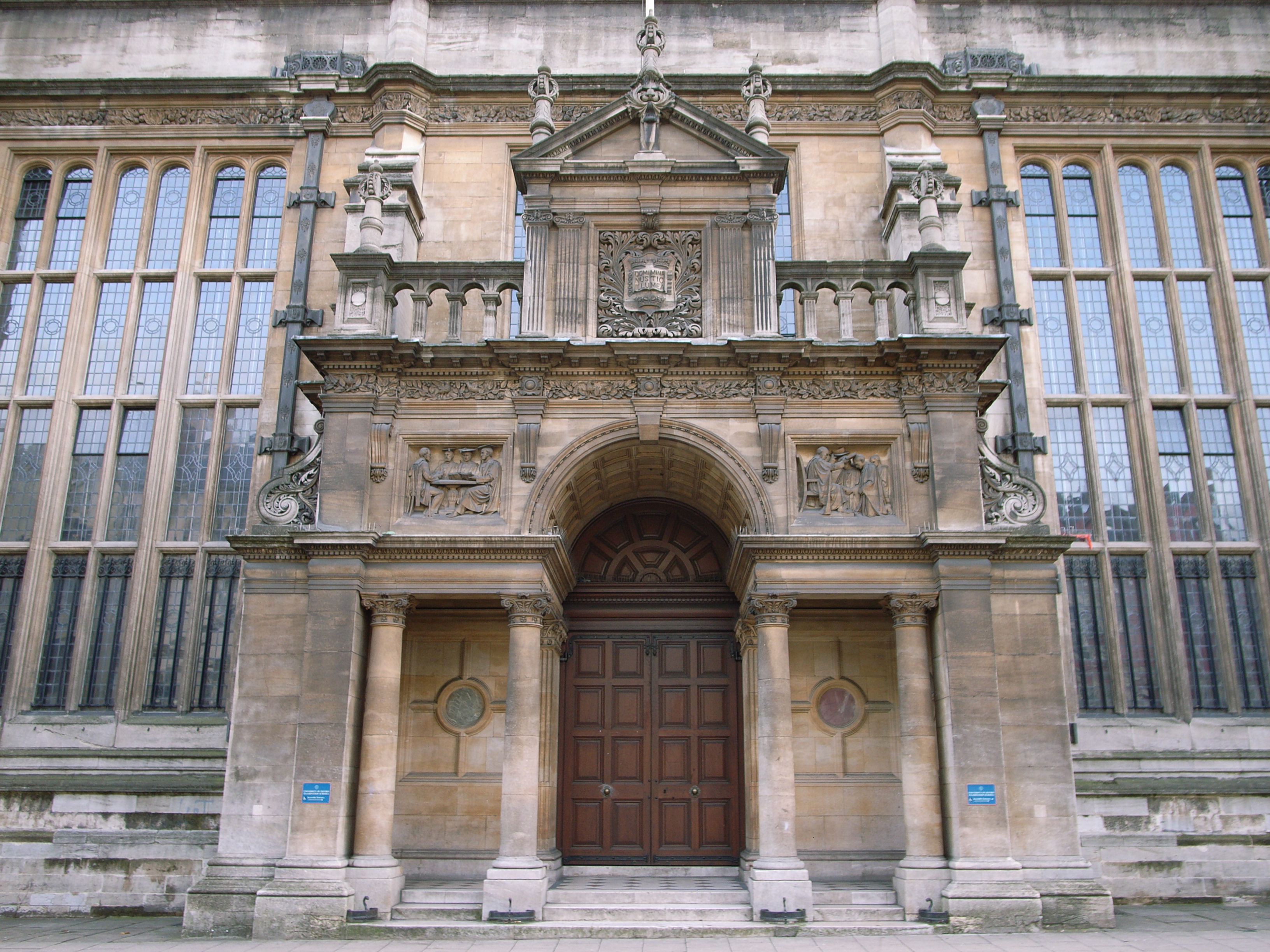
Graduate Orientation Programme :As an international student, I attended the Graduate Orientation Programme for International Students. This programme was held at the famous Examination Schools, located at 75–81 High Street. The building was designed by Sir Thomas Jackson (1835–1924), who also designed the cricket pavilion in the University Parks. The designs for the building were prepared in 1876 and it was completed in 1882, in Clipsham stone.


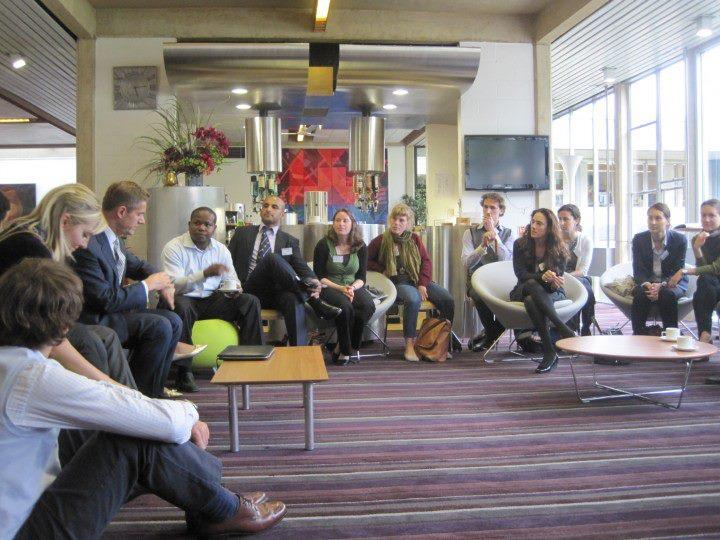
It was also a great opportunity to meet the many international graduate students from almost every country in the world.

Freshers Fair: The Oxford University Student Union Freshers’ Fair was the big event of 0th week. Packed with stalls showing the best, biggest and weirdest of Oxford’s student life, it had something for everyone. Almost every club or society was represented. To heck, they even had the Underwater Ice Hockey Club. I ended up signing up for too many clubs, and went home with way too much junk.

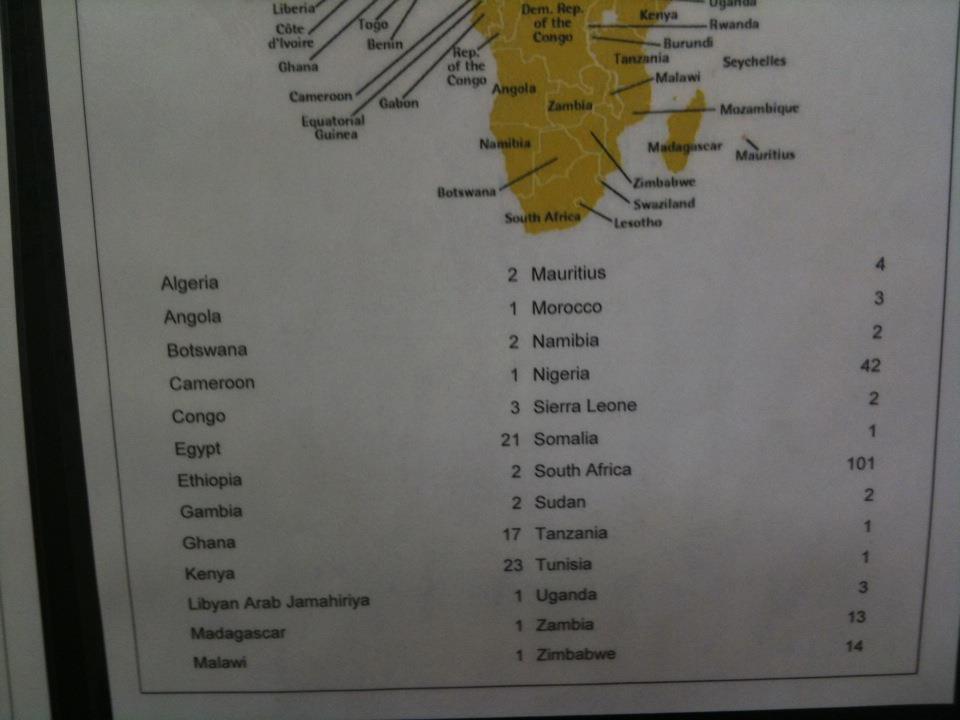
Departmental Induction: We underwent a 2-day induction for all 25 students in the MSc Global Health Science class. Students were drawn from thirteen different countries with six students from Nigeria alone (not counting moi). Other countries represented included the USA, UK, Canada, Sri Lanka, India, Jamaica, South Africa, Kenya, Zambia, Burma, etc. The class was almost evenly split between medics (doctors) and those of us non-medics.

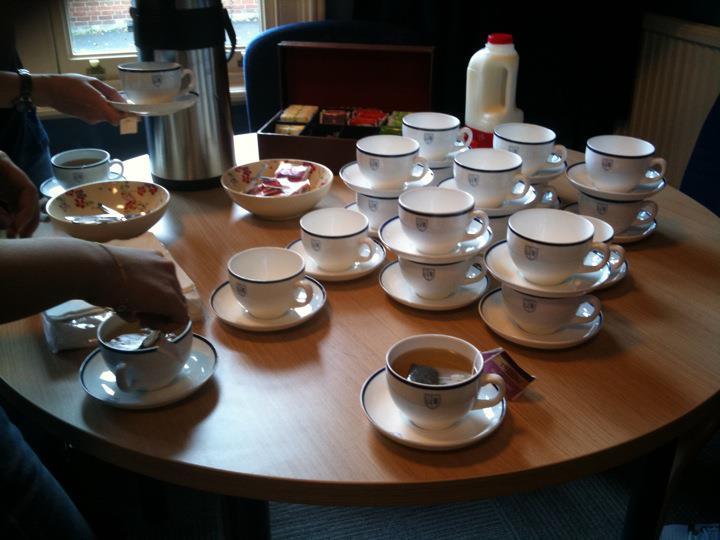
Like every Oxford event, it was not complete without tea and home-made cones.


Weidenfeld Induction: 0th week was when I also got a chance to meet with other Weidenfeld Scholars in my cohort. At the event which held at Egrove Park, outside Oxford, the group was introduced to the Leadership Programme, spent time getting to know one another and had the opportunity to ask ISD staff and continuing Scholars questions about the Scholarships. An informal drinks reception rounded off the day.

24 Scholars are joining the 2011-12 cohort with your humble self as the first Nigerian-American, with another 24 Scholars continuing from the previous year.


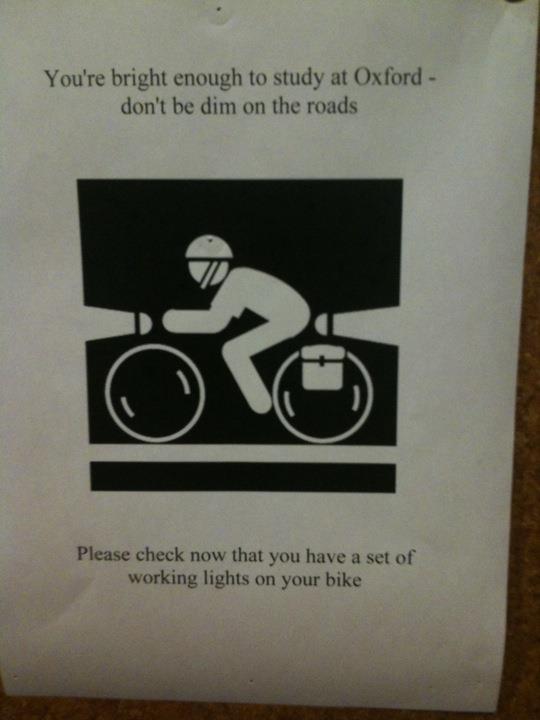
Then I bought my bike!:                                           

Purchasing a used bike is by far the best investment you make while on campus and a wonderful way to get around the city, so after much thought and visiting several bike shops, I coughed out my student’s pittance and bought my Jalopy!


Need I say more?


And I went punting: Punting refers to boating in a punt (small boat). The punter generally propels the punt by pushing against the river bed with a pole. Rather different traditions have grown up in Oxford and Cambridge: in Cambridge they stand on the till and punt with the open end forward, while in Oxford they stand inside the boat and punt with the till forward. The Oxford position is closer to the orthodox.

So in true Oxford tradition, I bravely embarked on a Sunday afternoon punting trip with 4 other scholars along the Magdalen river, and all went well, till the swans showed up!

N.B: The world lost a gem this week! 

Posted in Uncategorized | Leave a comment

An Introduction to Oxford’s Collegiate System

One of the new aspects of life at Oxford that I have had to adjust to is the role that the college plays in the life of the student.

Not being familiar with the collegiate system, I had not put much thought into my choice of a college when completing my application. I had simply assumed it was similar to the dormitory/hall of residence system at my undergraduate university, Obafemi Awolowo University, Ile-Ife, Nigeria.

The role of the dorm there had been largely limited to a place of accommodation. Granted that even then, each hall of residence had its own defining character. Angola Hall, where I stayed during my first year was a male hall of residence mostly for new students, and was known for its rural, unpolished character.

Awo Hall where I spent the next two years is undoubtedly the most popular of Ife’s halls. Branded for its ‘Aroism’, and defined by its student activism, it played a large role in defining the Ife student.

To quote from a write-up on Awo Hall by one Suraj Oyewale, a former Awoite (Awo Hall resident);

“With the aptly epithet “the political headquarters of Great Ife”, Awo Hall has proved to be the training ground for activists who are today known throughout Nigeria…….Aro is a term used to describe certain irrational, but deliberate behaviour or speech of a student so as to make other students laugh. This phenomenon is common in halls of residence throughout Nigerian higher institutions, but at no place is it wilder than at Awo Hall.

 In fact, the hall has been nicknamed Aro hall. Aro takes different forms. You see a student barking like a dog or crowing like a rooster; you see a student eating beans from a bucket in an open place; you see a student enter the reading room and utter a statement like “Nigeria is playing (football match) and you are reading. You are not good Nigerians. Pack your books and go to the TV room”. Understanding that he is only doing aro, the readers will just laugh it off and continue with their reading.”

At Oxford, especially for undergraduates, a college is more than just a place to live.

The collegiate system is at the heart of the University, giving students and academics the benefits of belonging to both a large, internationally renowned institution and to a smaller, interdisciplinary, academic college community. It enables leading academics and students across subjects and year groups, and from different cultures and countries to come together to share ideas.

Oxford students refer to themselves as studying a course X at Y College, rather than stating their department. Hence, I am studying Global Health Science at Kellogg College.The relatively small number of students at each college allows for close and supportive personal attention to be given to the induction, academic development and welfare of individuals.

Each college has its own Governing Body, comprising the Head of House and a number of Fellows, most of whom also hold University posts. Colleges select and admit undergraduate students, and select graduate students after they are admitted by Oxford University.  They also provide accommodation, meals, common rooms, libraries, sports and social facilities, and pastoral care for their students.

For undergraduates, colleges are responsible for tutorials (the main method of teaching in Oxford) while the university runs lectures, examinations, laboratories and the central library.

A typical college consists of a hall for dining, a chapel, a library, a college bar, senior, middle (postgraduate) and junior common rooms, rooms for 200-400 undergraduates as well as lodgings for the head of the college and other dons. College buildings range from the medieval to very modern buildings, but most are made up of interlinked quadrangles (courtyards), with a lodge controlling entry from the outside.

There are currently 38 independent, self-governing colleges at Oxford University. The oldest of Oxford’s colleges are University College, Balliol, and Merton, established between 1249 and 1264, although there is some dispute over the exact order and precisely when each began teaching. The fourth oldest college is Exeter, which was founded in 1314 and the fifth is Oriel, which was founded in 1326. The most recent new foundation is Kellogg College, founded in 1990, while the most recent overall is Green Templeton College, 2008 (the result of a merger of two existing colleges).

Women entered the university for the first time in 1878, becoming members of the University (and thus eligible to receive degrees) in 1920. Women’s colleges before integration included Somerville College, St Anne’s, St. Hugh’s, and Lady Margaret Hall. All colleges are now co-educational, although one of the Permanent Private Halls, St Benet’s Hall, only accepts men. St. Hilda’s decided to accept male members at all levels from 2008. Some colleges, such as St. Cross and Linacre, accept only graduate students. All Souls College accepts only fellows. Harris Manchester College accepts only “mature students” with a minimum age of 21.

I am a member of Kellogg College, which was established in 1990. Kellogg is one of Oxford’s largest, most international graduate colleges and membership is diverse.  The College admits a mix of part– and full–time students to facilitate their learning while working.  Kellogg was established with the aim of supporting the lifelong learning work of the University and continues to expand opportunities for continuing and professional studies.

The College was named in honour of Mr W K Kellogg on the 1 October 1994, in recognition of the generous support given by the W K Kellogg Foundation to the University over the preceding decades.  The College has close connections with the University Department for Continuing Education, the Department of Education and other departments active in areas of professional and part–time study.  The College can trace its origins back to the start of university extension movement in the 1870s, and came into being on 1 March 1990 (as Rewley House).

Quoting from the fictional but humorous site, http://uncyclopedia.wikia.com, under its section on Kellogg College, it says “Affectionately known as “The Breakfast College”, Kellogg is renowned for its early morning fare, where members feast on lambs, and sloths and carp and anchiovies and orangutans and breakfast cereals and fruit bats. Members are known as “Breakfastonians”. The college caters to a large degree to part-time post-graduates, and as such is regularly overrun with Japanese tourists pretending to be Oxen for a week or two. Kellogg has a formal affiliation with Christ Church Boat Club, and many of Christ Church’s more supple and sexier rowers are Breakfastonians. By ancient statute, Breakfastonians must dine in a separate hall from the Japanese poseurs attending continuing education classes sponsored by Kellogg, and often wear their gowns on non-academic occasions just to set themselves apart from the camera-toting rabble.”

And yes, we are also referred to as the “Cornflakes College”

As I take time to visit other colleges, I plan to share some of their unique traits, and beautiful pictures here. You can also see the ‘pros and cons’ of each college at this link in case you are trying to decide which college to choose.

Posted in College, Education, Nigeria, Oxford | Tagged , , , , , | 1 Comment

Why are you getting a degree in Global Health?

Why do you need a third Masters degree?  You mean you left a job in an oil company to go back to school? Are you a doctor? How does your past education and experience tie in with this degree?

I have had to answer the above questions (or some variation) several times in the last few weeks, as I have had to introduce myself here at Oxford, and the fact that I am studying for a degree in Global Health despite my non-health related background. Hence I have decided to put up a blog post, and just refer people here when they ask me!

It’s a question I have had to answer to myself, and also during the interview process for my scholarship, and it’s a question I will try to answer below.


To start with, I am what you probably refer to as a Jack of several trades, and master of none.  After an undergraduate degree in Computer Engineering, I moved into a totally unrelated field of product and market demand planning for P&G, only to go back and get a graduate degree in Computer Science, with a thesis that compared different non-parametric density approximation techniques applied to signal detection in particle physics.

I got a job at Chevron thus getting into the oily waters of the energy industry, moving from data analytics to hydrocarbon accounting, from data warehousing to production allocation, from data quality to information management, while stopping by to get an MBA in entrepreneurship on the side.


However, it was at Rice University, where I was enrolled for an MBA that I strayed into the field of global health. Through a chance meeting, I got acquainted with Professor Marc Epstein, an expert in microfinance and the use of commerce models to improve health and promote development in poor regions. He had partnered with Rice 360° Institute for Global Health Technologies to teach “Commercializing Technologies in Developing Countries” in which teams of MBA and undergraduate engineering students develop business plans for global health technologies, and then travel to Rwanda where they undertake field research for their business plans. This interaction exposed me to the problems of access, the lack of relevant statistics, and several other challenges faced in the area of global health.

This experience led to me partnering with a friend to form AfyaZima Africa Ltd, which is primarily focused on developing and executing an operational strategy of bringing new, emerging low-cost, high-performance healthcare technologies into Africa and evaluating the impact of these technologies on healthcare delivery, quality, equity utilization, and cost efficiency.


However, my greatest motivation for applying for a place in the Global Health program at Oxford lies in my belief that solving the daunting challenges currently faced in the field of global health requires a multidisciplinary array of people who are able to bring to bear their diverse backgrounds and innovative approaches.

To paraphrase a recent MIT report, current challenges in delivering affordable and effective health care in developing countries include: lack of skilled or semi-skilled health care workers for accurate screening and referral; lack of a permanent and portable record of a patient’s medical history; lack of medical diagnostic devices; poor supply chains for replacing medical equipment; poor treatment compliance; slow rates of information flow; and lack of quality auditing to identify bottlenecks and quantify health care improvements.

Such daunting problems require individuals from diverse backgrounds – medicine, computer science, clinical informatics, health policy, social sciences, and business and operations management-coming together in order to design an operating system around the delivery of care that is facilitated by technology. The technology is crucial, but not the sole component of the solution. It is the centerpiece of a learning system that is designed not only to improve clinical outcomes, but the health delivery process itself.


At Oxford, my research interests are around sustainable enterprise and low-cost innovation for health in resource-constrained communities.  It is my hope that my Oxford experience would distill my personal and business experiences, my bent for entrepreneurship, my background in technology and statistics and blend them with my local roots and global education into a fine brew that will increase my motivation and commitment to providing leadership in solving the complex global health challenges in the developing world.

A decade from now, I hope to have scaled AfyaZima into a global health and international development organization that is focused on ensuring that the gains of macroeconomic growth makes real impact in the lives of the poor, through ensuring the availability of reliable data and statistics from credible sources, institutional and human resource capacity, and genuine partnerships for development between the developed countries and Africa.

Posted in Africa, Afropreneurship, Education, Global Health, Innovation, Nigeria, Oxford, Social Enterprise | Tagged , , , , , , , , , , , , , | 5 Comments

Tweets from Rome: Weaning Africa off Aid; One Enterprise at at Time

In response to my recent call in the Huffington Post for less focus on Aid to Africa, and rather an increase in support for investments and enterprise, there were a lot of cynical comments, and other more respectful responses.  I had to further clarify my stand that unlike Dambisa  Moyo who believes that Aid is dead, I am more of the opinion that Aid is dying , and still has an important but very limited role (especially during humanitarian disasters like in the Horn of Africa) especially for development.  Rather I advocate support for enterprise for its role to lift nations out of poverty.
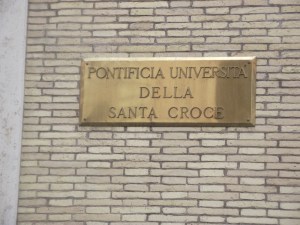
Pontifical University of the Holy Cross in Rome.

Pontifical University of the Holy Cross in Rome.

Hence, I was highly elated to meet with Dr Kim Tan of the Transformational Business Network at the recent Harambe Rome Forum held between September 2-4, 2011 in Rome Italy, and not only listen to such an established entrepreneur voice the same opinion, but I also found out he had co-authored a book titled “Fighting Poverty Through Enterprise; the case for social venture capital” which is free for download. It may take time to wean Africa off Aid, but then Rome was not built in a day!

I have already related my interest and motivation to attend the Harambe Rome Forum in my September 1 blog post , and the obstacles I had to overcome to get to Rome

Several days now after returning from Rome, and several thousand dollars poorer, I have no regrets for having taken the decision to attend the event, and I feel honored to have been part of what one of the participants rightly described as “a precision event with lots of gemstones and cross-pollination of ideas.”

Entrance to the Vatican

Entrance to the Vatican

As a social media enthusiast, I therefore present to you a collection of my gemtweets (tweets on a piece of paper!)  from the event which I hope you will find inspiring, and I look forward to the next Harambe Forum!

Harambe Tweets on a Piece of Paper

Kickoff

#haramberomeforum kicked off with intro-Lisa from LBS, Tanya from Actis,Director-Acton Inst.,Vatican rep,Theo from Nestle. #socent


Henrik of Dahlberg also on board of @tonyOelumelu’s foundation, Kim Tan-Chairman SpringHill,TBN n VC,Michele from @usadf #haramberomeforum


Media reps from @AP ,@WSJ , @FT. Undersecretary of the Pontificate,John Cabot Univ rep, and others make up panel. #haramberomeforum #socent


Theo kicks off with need to move from CSR to creating shared value. Not surprised as @michaelEporter sits on Nestle board #haramberomeforum

Embed processes in supply chain 2 create value for all stkholders.nestle focus in Africa is nutrition,water n rural devp. #haramberomeforum

For companies 2 add real value in Africa,need 2 move away 4rm philanthropy 2 intersection of societal n shareholder value #haramberomeforum

35 yrs ago,Kenya GDP was higher than Taiwan n S.Korea. S.Asia transformed via economic devp not dependence on aid #haramberomeforum #socent

Foreign aid has a role in tackling poverty but greater emphasis need to be on the role of business n enterprise. #haramberomeforum #socent

Funds xsferred from west 2 africa as returns-seeking investment creates more permanent jobs than govt2govt grants #haramberomeforum #socent

Asia realized it could not compete on natural resources or traditional industries so invested in knowledge base #haramberomeforum #socent

There is a fundamental misalignment of state bureaucracy n national goals in most African countries. #haramberomeforum #socent

There is no time 2 wait in africa for proper alignment. Challenge is how 2 still pursue social devp despite imperfections #haramberomeforum

USADF has portfolio of $70mm in 20 African countries, largely agrobased. Support for African-led businesses #haramberomeforum #socent

It takes time, persistence, team building and experience of failure to succeed. #haramberomeforum #socent

 Encouraging women in #socent. Reference2Nigerian LBS MBA grad, Tokunbo Ishmael, now manages microfinance fund in #Nigeria#haramberomeforum

Need to learn d courage 2 fail.Ur first idea is not likely to turn into a billion dollars #haramberomeforum #socent

 Is Silicon Valley a bubble? Interesting to see silly ideas get funding in ‘Silly-Con’ valley, same ideas we get everyday. #haramberomeforum

Skills needed to succeed as an entrepreneur in africa- forward planning , expect worst case scenario,think on your feet #haramberomeforum

Other skills are- leadership, courage to go with your ideas,turn problems into opportunities #haramberomeforum #socent

Identify a need, going to mkt just bcos u think u have a smart idea n everyone else thinks it’s dumb may be a step towards failure #haramberomeforum

3 types of entreps in africa- 1.Ivyleague trained,MNC-experienced folks who come back 2 start stuff.Don’t need much help. #haramberomeforum

 2.Those trained in Africa,mostly lack funding n ecosystem 2 support ideas. We need to av a strategy to support them#haramberomeforum

3rd n largest group is d informal sector. Great effort is reqd to support them and move them from passive to productive #haramberomeforum

Why do African SMEs fail?1. Too small n undercapitalized. You require a certain scale to survive n grow #haramberomeforum #socent

Why do African SMEs fail?2. Lack of adequate management capacity. Strong Mgmt teams are vital in emerging mkts. #haramberomeforum #socent

 While women entrepreps in Asia r d best in responsible borrowing, they have scaling issues as husbands feel threathened #haramberomeforum

Why do African SMEs fail?3. Wrong location; good ideas located in the wrong places r prone to die quickly. #haramberomeforum #socent

What Actis looks 4 b4 funding: passion, relevant experience,desire 2 solve social need ,ability to access further funding #haramberomeforum

African talent and enterprise is chained down by bad policies and politicians. #haramberomeforum #socent

Aid is not dead,but African countries need 2 b weaned off aid. Show me 1 country that bcame developed by depending on aid.#haramberomeforum

At MBA age(27-29), fewer women apply bcos they are just starting a family so LBS gets more female MBAs under 23. #haramberomeforum

 Question 2 Panel-Is it necessary for entrepreneurs 2 b able 2 speak English?Panelist-I can answer that question in Chinese #haramberomeforum

Not necessary for entrepreneurs to speak English but highly important so as to be able to access knowledge n info #haramberomeforum

#rwanda and #s.leone have become pacesetters for the rest of Africa.Kigami of Rwanda aims to make it Singapore of Africa. #haramberomeforum

In 10 years, #Rwanda has gone from 80% dependence on foreign #aid to below 50%. #WeaningAfricaoffaid #haramberomeforum

When you strip away investments into extractive industries, only very little money going into africa vs rest of world. #haramberomeforum

What’s africa’s devp model?Is d middle sector booming cos of a fundamental shift or cos extractive industries r doing well?#haramberomeforum

Investors still committing blunder of treating #africa as one single place where events spill over from country2country #haramberomeforum

In #socent you must empathize,listen n collaborate. Your US education or London experience cannot replace those skills#haramberomeforum

 Breaktime at #haramberomeforum. Very informative session so far. Just finished interviews with @WSJ and Financial Times. #socent

Don’t over romanticize #socent. You must be commercially viable to succeed. Can’t help d poor by becoming poor #haramberomeforum

Creating high impact jobs in Africa would be impossible without creating friendly environment 4 #FDI and partnerships #haramberomeforum

Every entrepreneur needs a coach. The best ones are the ones that r hardest on you. #socent #haramberomeforum

B4 u make it,figure how to sell it. Sad example selling organic vanilla by d pound in Uganda when it shrinks by d minute #haramberomeforum

All enterprise (excluding illicit ones) is social! Its ok to b a normal business.Make good products that ppl want #haramberomeforum #socent

As #afropreneurs, we will move the success of Africa from Impossible to Improbable to Inevitable #haramberomeforum

 Huge opportunities in energy, agriculture n the service sector n Bringing good Mgmt to poorly managed family biz #haramberomeforum #Africa

Cannot wait 4 our universities in Africa to catchup. Fasttrack thru partnerships n licensing innovation.copycatting is ok #haramberomeforum

We need 2 change d mindset at every level in Africa. Very annoying 2 be stopped by a policeman asking for s bribe. #haramberomeforum

There was m-pesa, watch out for m-profesa, leveraging mobiles for education in Africa #haramberomeforum #mobile

 Future opportunities in Africa lie in Green, Technology and Food. Over 48% of food in Africa is lost on way to market #haramberomeforum

Survey of postmba plans at an African biz school 5 yrs ago 1.Go into politics 2.Work for an NGO 3.Start a church #haramberomeforum

 I hope some of u will b very successful, but even more importantly; I hope you will remember your roots then #haramberomeforum

Are Africans racist? Story of white McKinsey junior analyst congratulated by African minister ignoring black VP #haramberomeforum

Where r u going?Are u going 2 b merely successful? Or are you going 2 b significant? What is your strategy 2 move from success2significance?

God will judge your intentions, but history will judge your actions. Do the right thing #haramberomeforum

If not now, when: if not here, where : if not us, who? And that brings us to the final tweet from #haramberomeforum #Africa #socent #leadership

If not now, when: if not here, where : if not us, who?

If not now, when: if not here, where : if not us, who?
Posted in Africa, Afropreneurship, cross pollination, Education, Harambe, Innovation, Investment, Nigeria, Rome, Social Enterprise, social venture capital, Vatican | Tagged , , , , , , , , | 2 Comments

God Bless America, God Help Africa! – Of Rome, Afropreneurship, and Lost Passports

September 1, 2011 was not meant to be like any other day prior to it.  Even I knew that, and had eagerly awaited the day.

After all, it was going to be the first day of my post-Chevron career.  After six great years at a company I am deeply proud to be associated with, I had just turned in my company badge, and was set to embark on a new chapter, my Afropreneurship journey- the business of technology in health and education on the African continent.

It would not be the first time I was taking such a bold step.  Eight years earlier, I had resigned my position as Planning Manager at Procter & Gamble, West Africa, to study for a MSc. in the US.  But this time, not only were the stakes higher, the goals were bigger, they scared me!

Another reason the first of September was supposed to be different was that it was the day I was to embark on a trip to Rome, Italy, to attend the Harambe Rome Forum  holding at the Pontifical University of the Holy Cross in Rome.

The invitation letter from the Harambe Entrepreneur Alliance to attend the forum had said “On September 2-4, 2011, HEA will bring together young African entrepreneurs and representatives of leading organizations of Africa’s public and private sector for the purpose of exploring the relationship between the humanitarian challenges of the continent and the development of Africa’s private sector.  Our conversation will shed light on the challenges and opportunities of active participation of African youth in the private sector as a source of skilled labor and entrepreneurial innovation.

In line with our previous discussions at the British House of Lords and the Parliament of Ghana and aware of the dire need for more effective action demanded by Africans under the age of 25, which represents over 60% of the African population, the Harambe Rome Forum will result in greater awareness of the challenge at the heart of HEA’s mission and give birth to partnerships among participants and our Alliance.  “

I had also been invited to moderate the Private Sector Roundtable at the Vatican Session, which was to address the challenges facing young African social entrepreneurs across the continent.

Some of the identified issues for discussion were;

  • The role of youth entrepreneurship in Africa
  • Financial challenges facing young entrepreneurs in Africa
  • Access to philanthropic and investment capital
  • Successful Models of Engagement.

Perusing through the list of leading international foundations and venture capital firms that were attending, I found names such  Actis, Nestle, GSK,  USADF, Dalberg ,Transformational Business Network, Homestrings, London Business School, Acton Institute,  Harambee Africa International, John Cabot University, and the Pontifical Council Justice and Peace among others.

So September 1 came, and fully packed and prepared, I left home early for a breakfast discussion with an angel investor (and major donor to Rice University) who I had recently been introduced to by a member of my personal Board of Directors ( I don’t have mentors, I have an entire B.O.D).  The discussion was great, with him expressing great interest and support for my ventures, providing useful high-level contacts, and requesting me to send more detailed business plans which he could review.  Great day so far!

Breakfast over; I headed to Hobby Airport to catch the noon Delta flight to Atlanta, then Rome.  With over two hours to spare before the flight, I had leisurely transferred my luggage into a cart, took out my travel wallet which housed both my Nigerian and American passports, and a few thousand dollars, and made for the check-in counter.

Ten minutes later, I noticed that my wallet was nowhere to be found.  Thinking I had probably dropped it in the elevator, I spent the greater part of the next two hours scouring the whole airport, talking to every security agent and anyone I could find at the information booth, but my wallet, money and passports were gone!

Noon came, and the flight came and left, and in Houston I remained.  Tired, frustrated, but not giving up, I headed to the Houston Passport Office (after reporting the loss over the phone to the HPD), to apply for an expedited replacement.  It was my experience at the US Passport Office that led me to surmise thus; “God Bless America, God Help Africa!”

Without tipping anyone, lacking any ‘connections’, thirty minutes later, after showing proof of citizenship and paying the official $195 replacement expediting fee (with an official receipt), I was asked to pick up my new US  passport early the following morning.  Throughout, the staff were very sympathetic and courteous, and even remarked that if I had come in a bit earlier, I might have been able to get a replacement same day!

In all the time it took to achieve this, I had not even succeeded in getting across to anyone at any of Nigeria’s consulates in the USA, not to talk of beginning the arduous and frustrating experience of replacing a Nigerian passport.

As God would have it, a few hours later, I got a call from the Airport that my wallet had been recovered with my passports intact, but all the money was gone!  I quickly proceeded to cancel my passport replacement application, retrieved my passports, and rebooked my flights.  It’s now 8:30 pm September 1, and I am finally aboard a BA flight to Rome.

I look forward to a great session at the Vatican, and to ensuring that Africa is well represented at the table when issues affecting Africans are being discussed.

It was the poet, Robert Frost, who said “Two roads diverged in a wood, and I / I took the one less traveled by/And that has made all the difference”.  

In my own case; I have decided that it is no longer enough to follow the less travelled path.  Instead, I intend to chart my own path, so help me God!

Note: Watch out for great pictures from Rome, and follow the hashtag #haramberomeforum on Twitter for tidbits from the sessions.

Posted in Africa, Afropreneurship, Education, Flights, Harambe, Innovation, Investment, Nigeria, Oxford, Rome, Social Enterprise, Vatican | Tagged , , , , , | 5 Comments

Oxford Accommodation Update

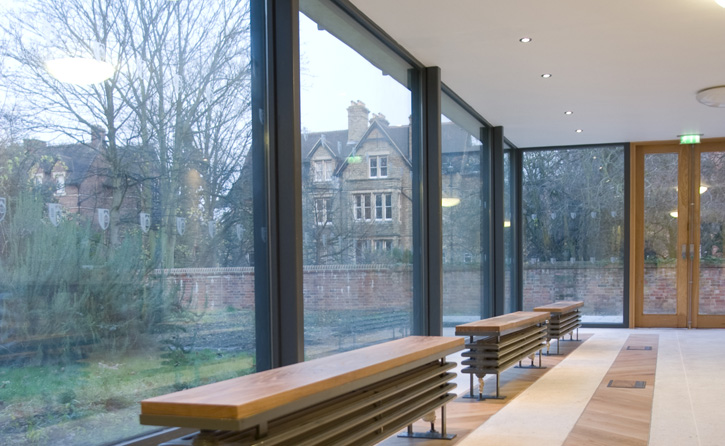
So even though I do not get to Oxford until September, and my college accommodation will not be ready until October 1, I got an email from Kellogg College today, with a picture of what my ‘home’ for the next year looks like, and pages of dos and don’ts while living in college accommodation.  Having had my own place for the past 10 years, needless to say, a lot of the rules were strange.

I will be having an ensuite room (with my private bathroom), but share the living room, refrigerator, laundry,etc with about 19 other graduate students.

Oxford Home @ Kellogg College

Each Study bedroom will contain (where space allows):

• Single bed & mattress,

• Bedside cabinet and lamp,

• One wardrobe,

• Desk with integrated chest of drawers & lamp,

• 2 noticeboards & bookshelves.

Each kitchen/communal area will be equipped with:

• Oven/grill & hob,

• Fridge/freezer,

• Microwave oven,

• Rice cooker,

• Iron & ironing board,

• Kettle.


By the way, since I plan to arrive Oxford ten days before my accommodation is ready, I still have to find somewhere convenient to stay for those days.  At this point, unless I find a better alternative, I may be renting an ensuite room at St Antony’s College, Oxford for those days.

Posted in Education, Global Health, Oxford | 1 Comment

af·ro·pre·neur /. An entrepreneur focused on Africa

@idrisayobello on Twitter

Idris Bello  is a Weidenfeld Scholar in Global Health Science at the University of Oxford researching innovative business models for global health and entrepreneurship.

Posted in Uncategorized | 1 Comment