How ‘Afropreneurs’ will shape Africa’s future- CNN Feature

So my work got featured recently on CNN. See below;

How ‘Afropreneurs’ will shape Africa’s future

(CNN) — His full name is Idris Ayodeji Bello, but you might just call him “Afropreneur.”

That’s the buzzword adopted by the young Nigerian to describe the bright, independent and tech savvy entrepreneurs using creative thinking and the power of innovation to take over Africa’s economic destiny.
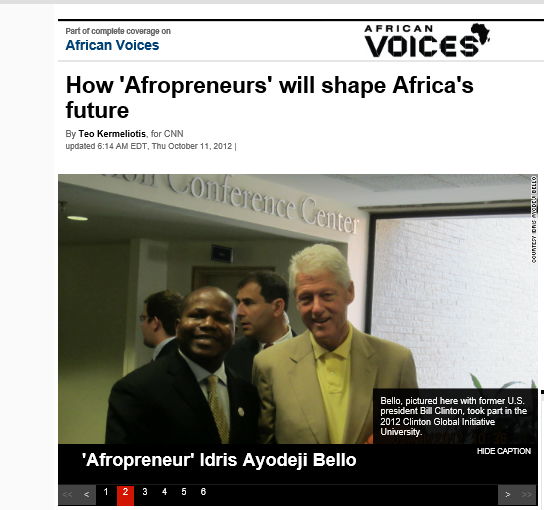
cnn_afrop

“Over time Africa has relied on government and big multinationals for solutions — but they’re not coming,” explains Bello.

“But of recent you’re seeing a new wave of young men and women who have access to all the global networks, who’ve studied either within the continent or outside and have this passion for change — these are the people Africa’s change is going to come from, these are the people I call ‘Afropreneurs.'”

And Bello is certainly leading by example.

At just 33 years old, he has already been involved in several tech initiatives aimed at encouraging entrepreneurship and empowering communities across Africa

cspan

Connecting solutions to problems


Early last year, Bello co-founded the Wennovation Hub in Nigeria, a technology space enabling ambitious entrepreneurs to come together and develop their trailblazing ideas into successful businesses.

The Lagos-based hub, one of the many innovation centers that have recently mushroomed across Africa, has so far incubated the efforts of more than 100 entrepreneurs, providing them with space, support and consulting.
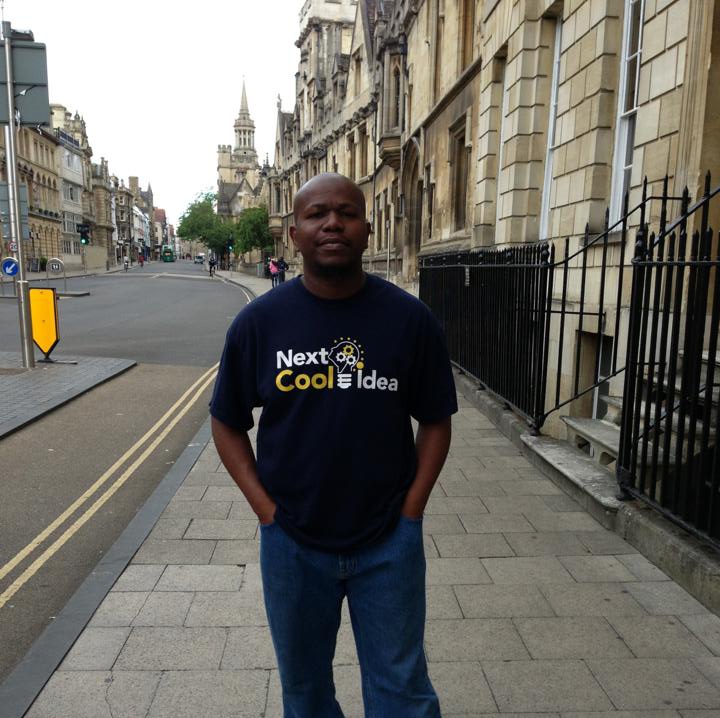
nextcool

“Part of our own responsibility is to connect the talent to the opportunity,” says Bello. “We took the “i” out of innovation and replaced it with the “we” and came up with the Wennovation Hub — the problems of Africa are huge, they cannot be solved by one person alone, so it requires people coming together.”

Access is key

Born in Nigeria to a family of academics, Bello says he learned from an early age the importance of access to information.

Growing up, he says, he was surrounded by books. “We had a mantra in our house,” remembers Bello. “My dad would always say ‘never get caught without a book,’ so whether you had lunch or you were sleeping, you always had to have your book.”

idris

Bello went on to study computer science in Nigeria before moving to the United States and the UK to further his academic knowledge in entrepreneurship and global health. Along the way, his entrepreneurial spirit kicked in — he worked for multinationals such as Procter & Gamble and Chevron and also got involved in a number of startups.

But Africa was always bound to be central to Bello’s work. Passionate about his continent, he quickly ventured into what he describes as “the business of technology in health and education.”

meid

‘An app a day keeps the doctor away’

As a result, Bello co-founded AfyaZima, a health technology and management startup that leverages the rise of mobile phones and other low-cost technologies across Africa to provide access to vital health information.

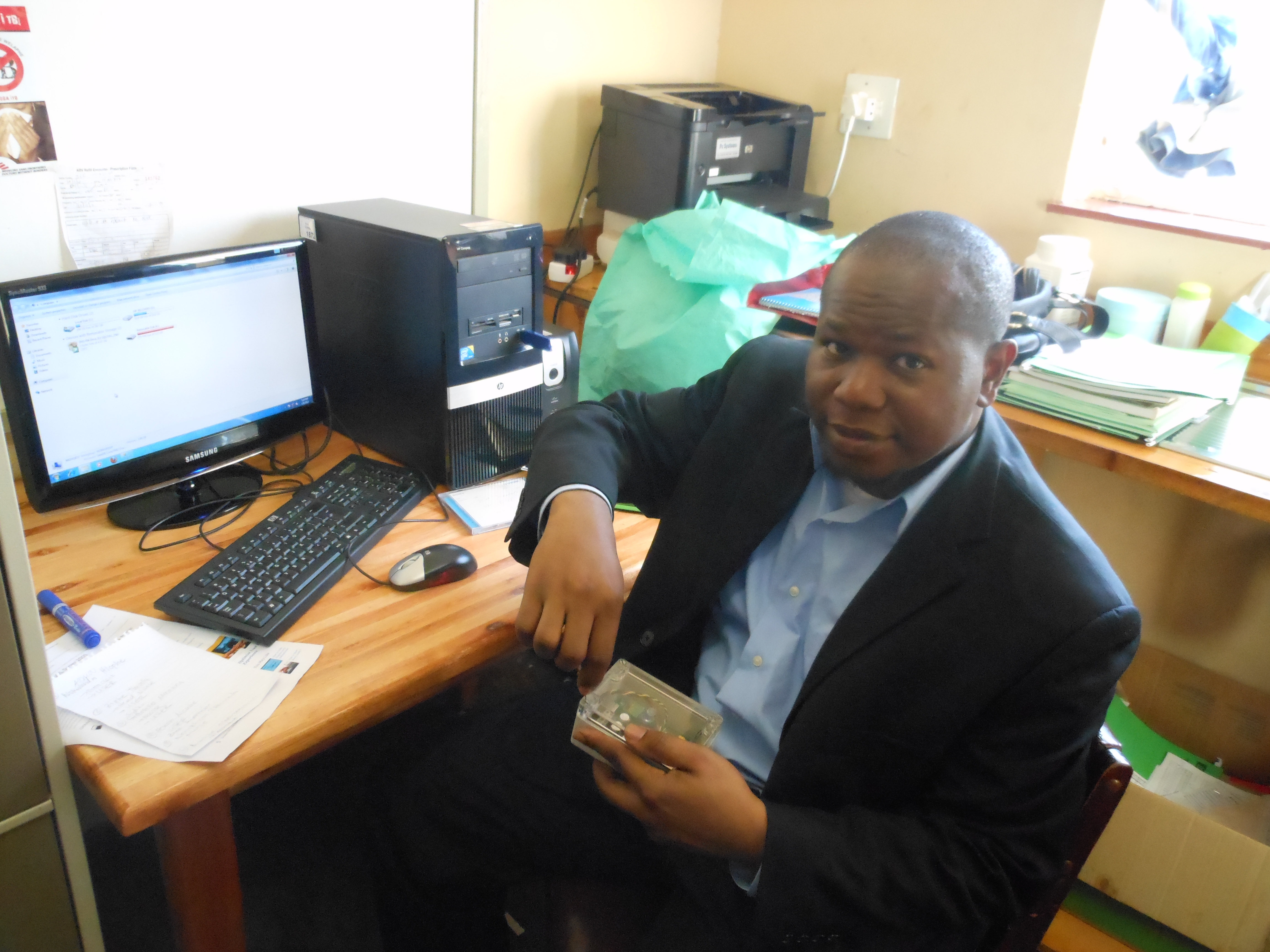
The startup won the 2012 Dell Technology Award — in collaboration with the Oxford Engineering World Health Group — for Blood Pressure MCuff, a low-cost device that enables blood pressure monitoring and data transmission via mobile phones. The technology hence acts as a communication channel for doctors to remotely send treatment recommendations to their patients.
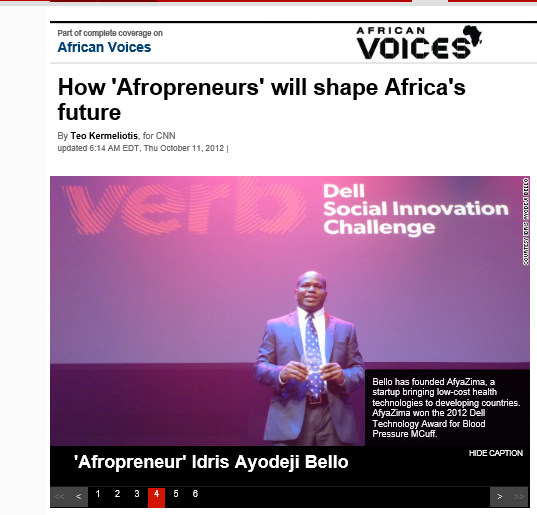
afrop_dell

The concept is this: at the moment you put mobile phone on everybody’s hands, how can it comes to that … instead of people going to the hospital, the hospital comes to you,”Bello says. “Growing up, they used to tell us an apple a day keeps the doctor away, now it’s more like an app a day keeps the doctor away.”

AfyaZima, which comes from a Swahili word for complete health, is also working to create a cloud-based service that will receive the mobile phone data and store them in an electronic health record.

‘Bringing online education to an offline world’

But perhaps Bello’s most daring project to date is YoKwazi: an ambitious initiative aiming to change Africa’s education landscape by putting learning resources to the hands of students and teachers across the continent.
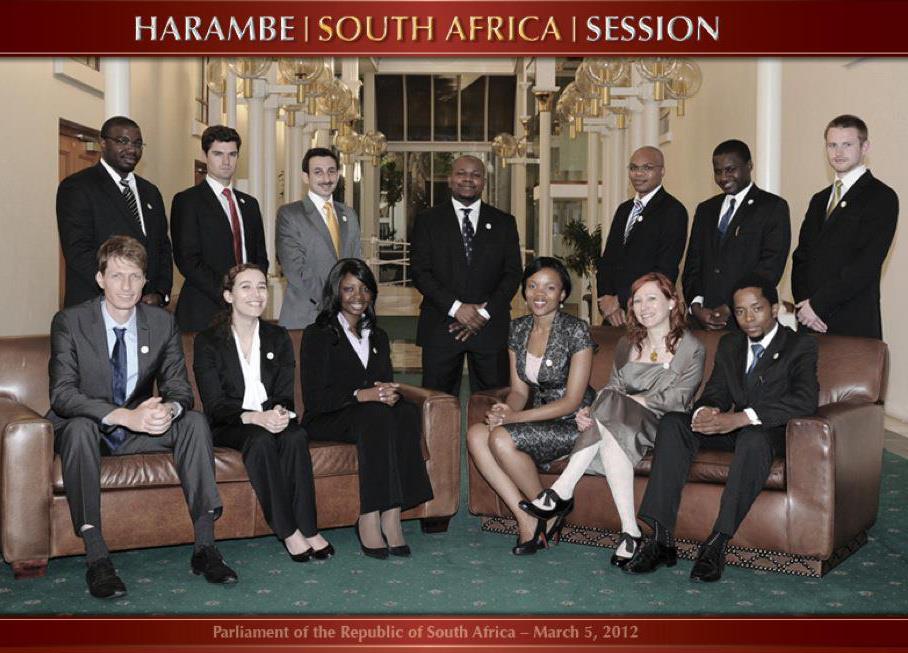
harambe

Bello explains that due to broadband constraints many young Africans are losing out in the major shift toward open education in parts of the developed world, where massive open online courses are offered for free.

“That’s where I step in,” he says. “I come from the developing world but I have had access to this good education and so my goal is to bridge that gap — to knock down that barrier of broadband.”

Still at testing stage, YoKwazi aims to deploy OTGPlaya, an offline wireless cloud device, in key community areas to house and host online educational tools. The device, which was incubated at the Wennovation Hub, will do a one-time download, store the content and make it available for people nearby to access it through their wi-fi enabled devices.

“It’s about bringing online education to an offline world,” says Bello.

Legacy of ‘Afropreneurs’

Multifarious and passionate, Bello says his mission as an “Afropreneur” is to enable access to information so that people can tap into their own creativity to solve their problems without having to rely on government.

afropp

“A lot of times we’re focused too much on trying to solve people’s problems. But people are the ones who best know their own problems but often can lack the tools they need,” he says.

“When you give people access to health education, they will take better care of their health; when you give people access to education, you will see people even do greater things,” adds Bello. “We enable people to access — when they know, they will solve their problems. That my proposition.”

Posted in Africa, Afropreneurship, branding, Education, education innovation, Global Health | Tagged , , , , , , , , , , , , | Leave a comment

I have been busy…………….

So busy I have not had time to keep this blog updated.

After managing to get exams out of the way, and an amazing Pan Africa Conference over with, May 7, I headed off to Swaziland (no, not Switzerland).

I was here to work on an m-Health project with the Clinton Health Access Initiative and the Ministry of Health in Swaziland  aimed at improving appointment attendance (and ultimately retention) among pre-ART and ART patients through the deployment of  what we refer to in-house as the AP Reminder System.

But I have been doing more than mHealth in the small but beautiful country of Swaziland as you will discover from this CNN iReport . Its been a different clinic each day, a different mountain each weekend. I have gone hiking, rock climbing (including Sibebe Rock-the world’s largest exposed granite dome and second biggest rock after Uluru (Ayers Rock) in Australia), and on a safari trip. I even managed to experience an earthquake

In June, I took some time off from Swaziland  to make a 2-day trip to London. I had been named as one of the  “10 Most Outstanding Black Students in the UK for 2012”  by a panel consisting of Rt. Hon. David Lammy MP, Trevor Phillips OBE, Chair of the Commission for Equality and Human Rights, and Jean Tomlin, HR Director for London 2012.

Organized annually by Rare Rising Stars, I was deeply humbled to be so chosen and attended the Awards Ceremony on June 7 at the House of Commons, Palace of Westminster, London.

From London, I was off to Texas, where my team, AfyaZima Africa had just been announced as the 2012 Winner of the $10,000 Best Innovation Leveraging Technology Award presented by Dell, Inc

This is what Dell had to say:

At Dell, we believe that innovation and entrepreneurship are not “born” but can be “bred” through the right community, support, tools and inspiration. And we’re especially delighted to announce the winner of the Dell Technology Award: AfyaZima Blood Pressure mCuff, a low-cost device that eases blood pressure measurement and transmission via a mobile in hopes of early hypertension diagnosis, especially in areas with low resources.

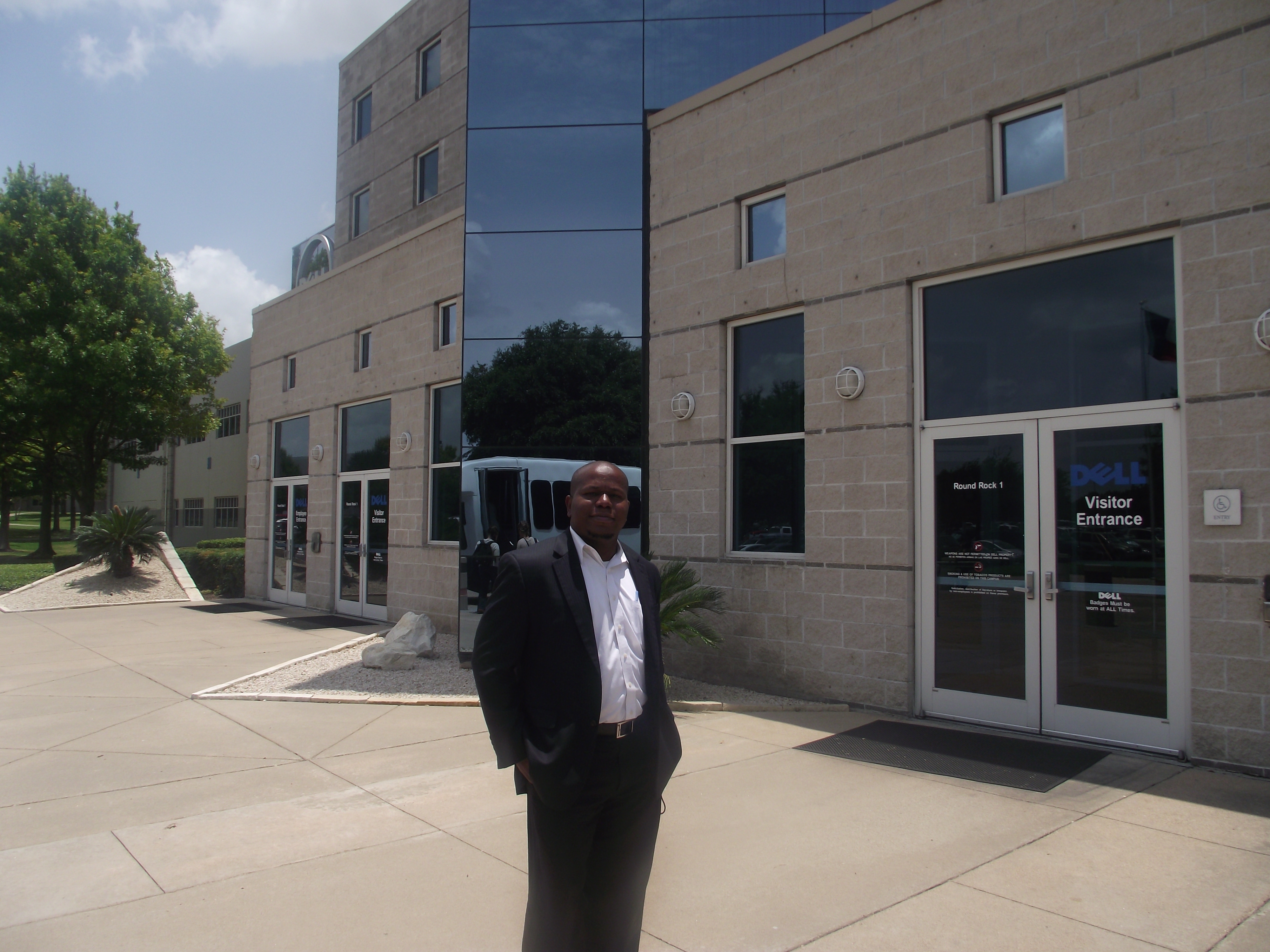
The trip to Austin was amazing as prior to the awards ceremony, I got to visit the Dell Headquarters, where I met one-on-one with Michael Dell, CEO and Founder of Dell and the rest of the amazing Dell Team.

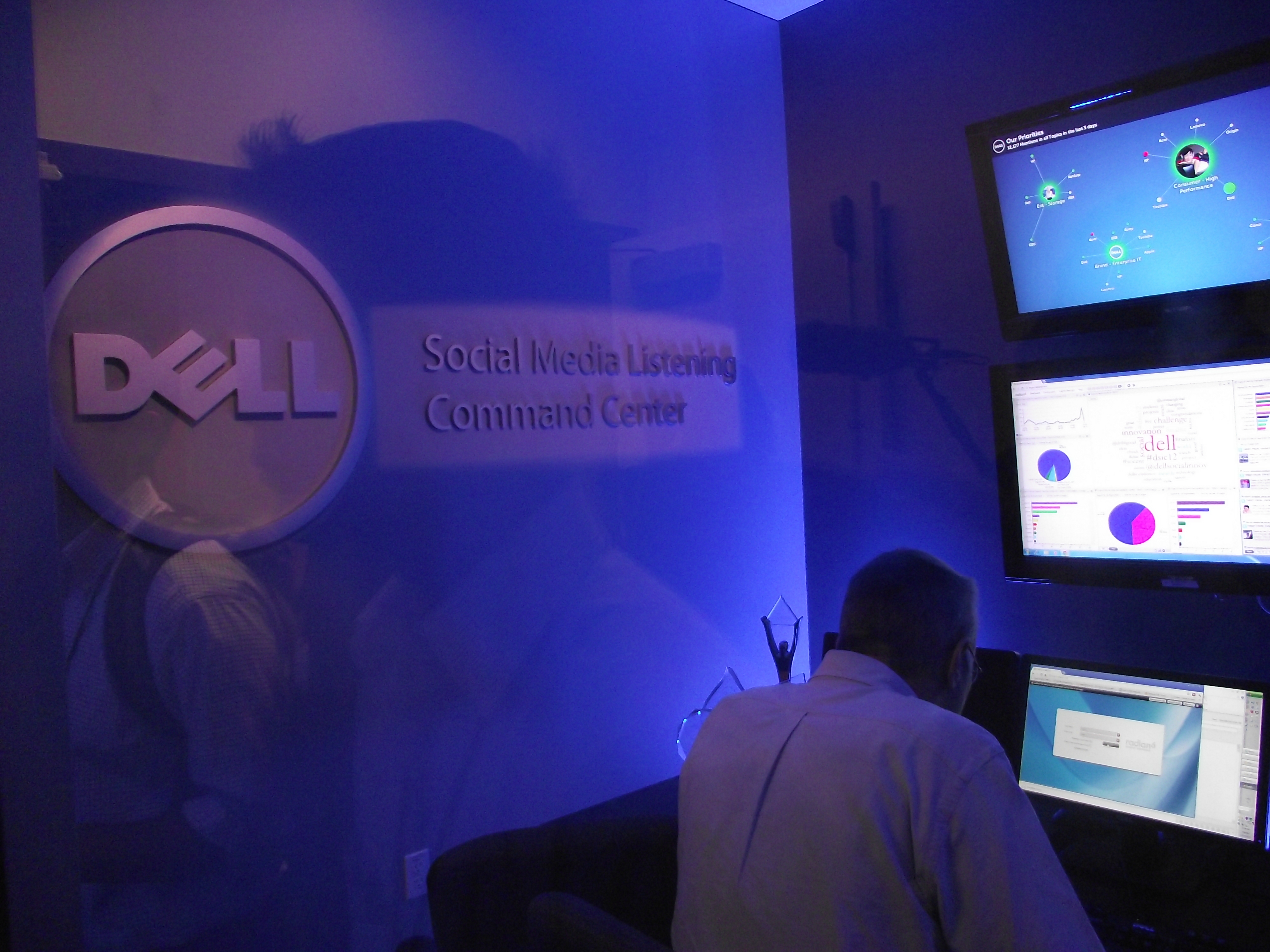
I was also impressed at how Dell uses Social Media, as evidenced by the amazing tools at the Social Media Center which I had the opportunity to visit. I even found one of my Dell-related tweets on the screen.

I also had the opportunity to share my  personal inspiration and thoughts about innovation in a changing world with Dell employees by speaking on a Dell Innovation panel moderated by the young but very impressive Nnamdi Orakwue (Harvard & Wharton alum), Dell’s Director of Strategy, who also doubles as Executive Assistant to Michael Dell.

Then it was time for the award ceremony at the Austin  City Limits Theatre followed by a sumptous dinner afterwards.

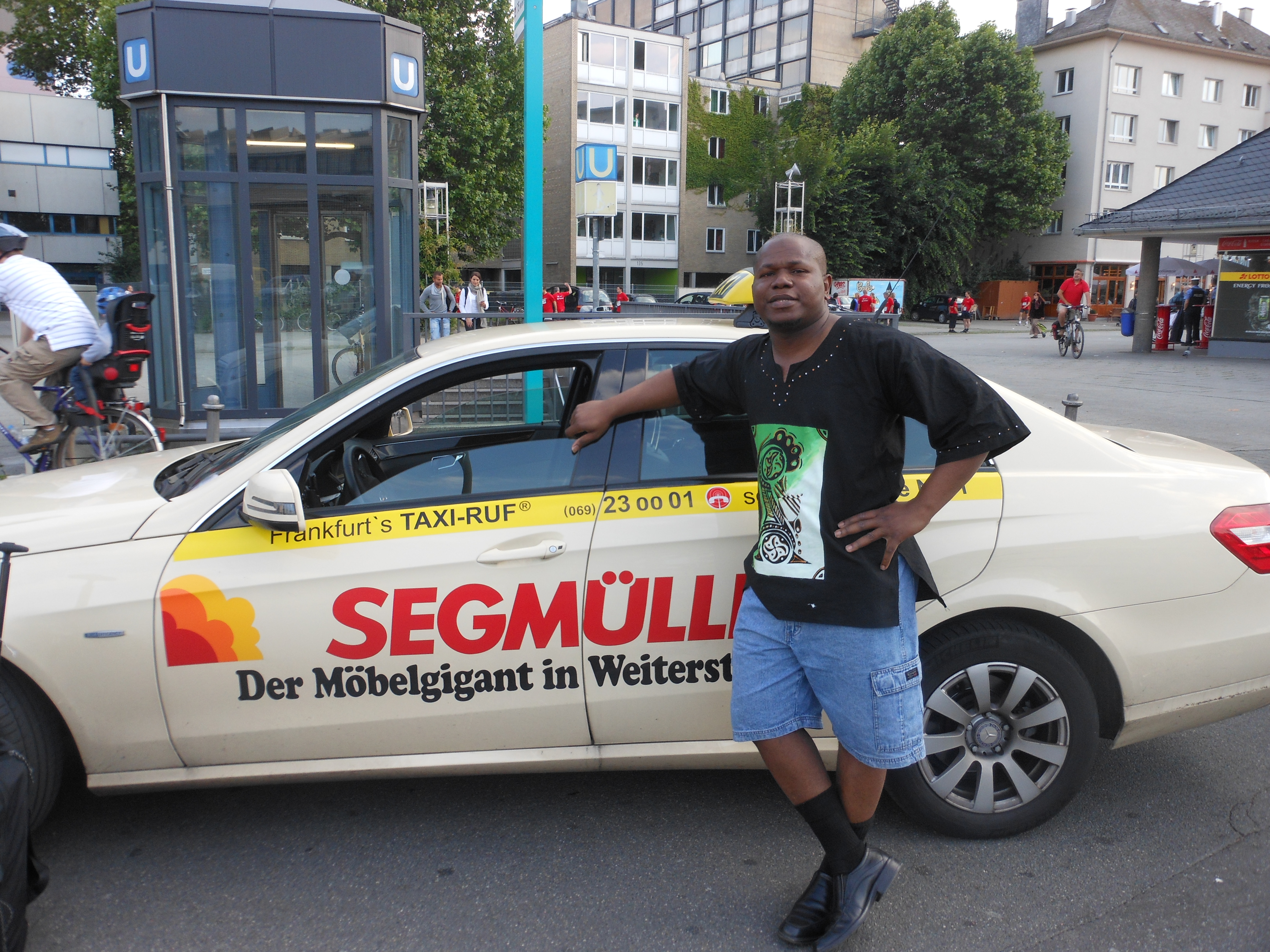
With my time in the US up, I thus returned to the Kingdom of Swaziland but not before a short tour of Frankfurt!


Until my next blogpost, I invite you to join me in dreaming bigger, scarier dreams, because if your dream does not scare you, it’s probably not big enough!

Remember that people who dream in their sleep are dreamers, but those who dare to dream while they are awake are the people that change the world.

Sawubona!

Posted in Uncategorized | 2 Comments

Making the Case for Youth Leadership in Africa!

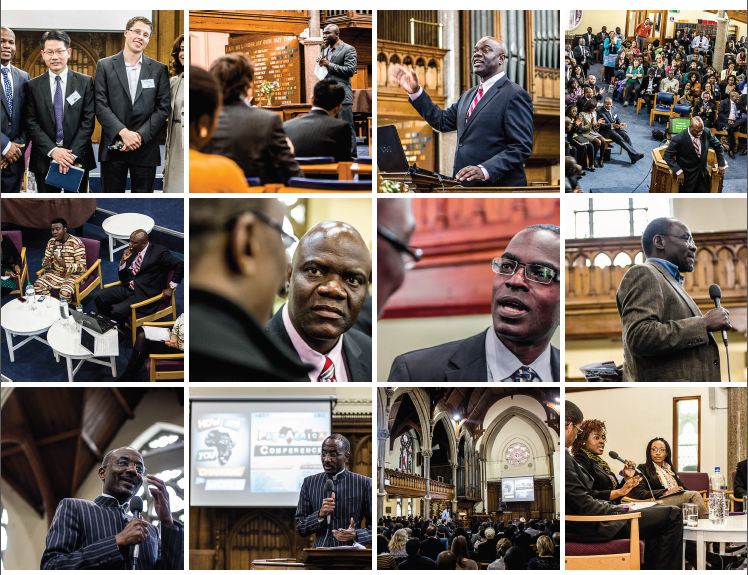
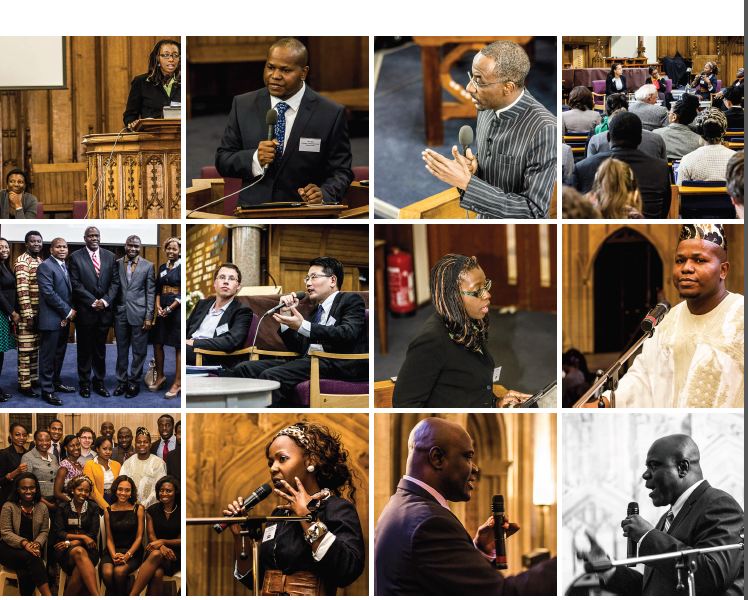
313 delegates, 512 Livestream viewers, 750 GooglePlus Hangout participants, 13 speakers, and 6 sponsors!

With the theme “Building Capacity for a New Generation: The Case for Youth Leadership in Africa”, the 2012 Oxford University Pan Africa Conference held on 5 May at the Wesley Memorial Hall, brought together over 300 students, entrepreneurs, activists, academics, and political and economic leaders from 51 different countries. We also had over 500 viewers watching the online Livestream, and hundreds more interacting with the speakers through the live Google Plus Hangout, and other social media outlets.

It was truly inspiring to see so many young people so passionate about working towards a shared vision in dealing with the rapidly evolving challenges of the century. If there was one theme however that came out time and again, it was the need for action. A shared vision will only be as good as the action that we take to make that vision a reality!

Below, enjoy my welcome address at the event, a view of some of the speakers and delegates, and some of the key issues discussed.

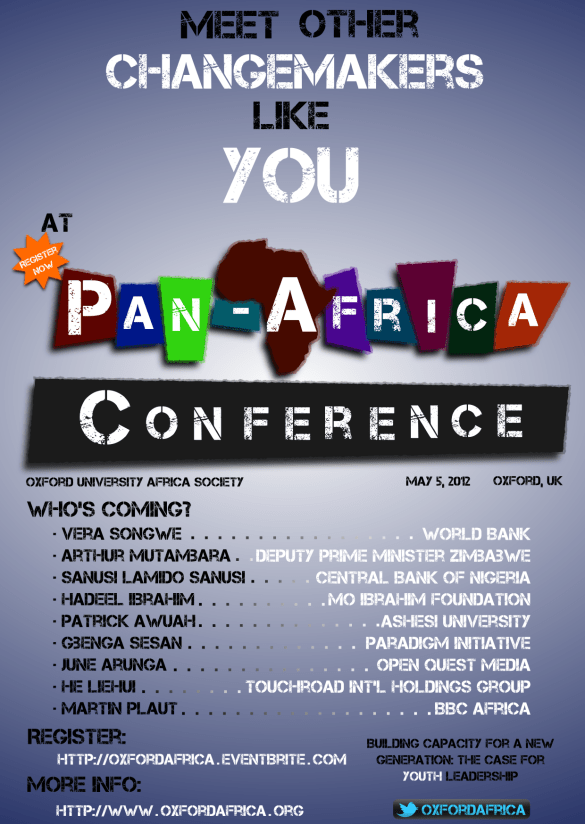
Welcome to the Oxford University Africa Society’s 2012 Pan-Africa Conference.

It is a great pleasure to host the conference here in Oxford, with its distinct heritage of training leaders for the past 800 years.  This year’s conference, “Building Capacity for a New Generation: The Case for Youth Leadership in Africa,” brings together students, entrepreneurs, activists, academics, and political and economic leaders from across Africa. That is what this conference is about: young leaders from around the world, gathered to discuss, debate, and learn from some of the most prominent African leaders of today.

The organizers of today’s conference, Oxford University Africa Society, which I am honoured to lead,  is the umbrella body for all African students at the University of Oxford. It seeks to provide a legitimate and strong voice within the University community to African students and others who are linked to the continent by way of ancestry, research, experience, or interest. The society is a platform for informed debates and stimulating events, and strives to create a sense of community among members.
The conference is part of a wider vision, “the Pan-Africa Project”, which seeks to provide an annual platform for all African students in the UK to reflect on mutual challenges and identify ways of promoting quality leadership and sustainable development in Africa. Our 2011 conference, ‘Pan-Africanism for a New Generation’, brought together scholars, activists and leaders, to interrogate the meaning of Pan-Africanism in the 21st century. The concept of Pan-Africanism is largely associated with independence struggles, having served as a unifying force against colonialism and as an important part of the United States civil rights movement. In the post-colonial period, Pan-Africanism has inspired a series of principles and themes guiding several policies and programmes across the continent that seek to provide an agenda in dealing with the particular challenges of the 21st century, such as the adverse impact of globalization, security, and climate change.

Africa faces many challenges. These challenges, in whatever sphere – whether political, economic, health, or environmental—represent a distinct opportunity for Africa’s young leaders to provoke a bold culture of change.  The world is already witness to some of this change.

Today we begin a new conversation. The African leaders gathered here represent more than people, languages, or geographical denominations.  They represent more than a global movement, or the transnational network of social, political, and business entrepreneurship. These leaders project the nascent hope that is transforming the continent. They reject the traditional themes that dominate discussions on Africa, and show, by their own achievements, the potential enormity of Africa’s human resources. We are honoured to have them with us here at Oxford.

But it is also important that we do not dwell in naïve optimism of the kind that just keeps talking without acting. Africa probably has too many think tanks and talk-tanks, what we need more of are do-thanks. At the same time we cannot afford debilitating pessimism, of the kind that keeps people hopeless, and rooted to the same spot. Today is about activating leadership.
Today, over 300 delegates originating from over 50 different countries are here. From Cape Town to Cairo, from Lagos to Luanda, From Swaziland and Switzerland. While thanking our sponsors, I ask you to  take this opportunity to learn from each other, to share knowledge with one another, and to strengthen our common ties.
I wish you an amazing conference.

Opening Keynote ; Building Capacity for a New Generation: The Case for Youth Leadership in Africa- by Vera Songwe- World Bank Country Director (for Senegal, Cape Verde, the Gambia, Guinea-Bissau, and Mauritania)

Main Point: Africa has gone from transformational to transactional leaders. And now it is up to us to move towards a new kind of transformational leadership. We need to be able to pull young leaders together towards a shared vision and have a discussion about what the vision is that we’re looking for.

Afternoon keynote Beyond Political Rhetoric: Investing in Youth as an Economic Strategy- By Sanusi Lamido Sanusi, Governor, Central Bank of Nigeria & 2011 Forbes Africa Person of the Year

Main Point: Resource-led growth does not translate into broad-based and sustainable wealth creation and is vulnerable because it is not driven by deliberate policy. If we do not change the structure of the banking system, then we cannot have real financial inclusion. We need to diversify revenue of government. Farmers must be taxed (they form about 40% of GDP), but we must therefore invest in infrastructure – building a social compact between state and citizen to support the farmers.


Closing keynote:  Building Sustainable Partnerships: Redefining the Future of Sino-African Business Relations, by He Liehui, Chairman, Touchroad International Holdings Group, China

Main Point: Africa and China, and indeed, the rest of the world, need to understand each other more. We need a relationship based on mutual respect. What is clear is that no one can save Africa without Africans’ involvement.

1st panel on Challenges and Opportunities for the Next Generation of African Leaders

Matthew Hassan Kukah, Bishop of the Catholic Diocese of Sokoto, Hadeel Ibrahim, Director of Strategy and External Relations, Mo Ibrahim Foundation, Kingwa Kamencu, Rhodes Scholar & Presidential Candidate, Republic of Kenya

Moderator: Amina Adewusi, Africa Economist, Standard Chartered Bank

Main Point: Youth are the greatest opportunity for the continent. We can turn the youth bulge into an asset, but we need a shared vision, and need to negotiate that vision. Governance is managing and mitigating risk. Leadership involves taking risk. The challenge is taking the path of good governance and taking necessary risks to sustain growth.

2nd  panel on Can Youth Change Politics in Africa?  

Arthur Mutambara, Deputy Prime Minister, Zimbabwe, Gbenga Sesan, Executive Director, Paradigm Initiative Nigeria, United Nations Committee of eLeaders on Youth and ICT, Mary Harper, Africa Editor, BBC World Service & Author of Getting Somalia Wrong? Faith, War & Hope in a Shattered State

Moderator: Stephanie Busari, Digital Producer, CNN International

Main Point: We need to encourage young people and young women in particular, to be engaged .The youth dividend will only be reaped if they have skills and a democratic mandate. Youth leadership needs to be encouraged early on. Regional and continental integration is fundamental to this. Need a strategy to achieve the vision.


3rd panel on Africa in a Globalized World; Fostering Youth Leadership Within & Across Borders

Patrick Awuah, Founder, Ashesi University, Ghana, TED Global Fellow, Tebogo Lefifi, Founder, Young African Professionals & Students, China, Madelle Kangha, Founder-Youths for Change, & Inaugural Class, African Leadership Academy

Moderator: Daniel Stone, Officer for the Oxford University Student Union and 2010 Top Black Student in the UK

 Main Point: Education is often narrow education, or rote education. Need emphasis on problem solving, broad perspectives and ethics. A small group of people really can change the world. Educating people and preparing them for a rewarding life is the best thing we can do.

The Africa-themed dinner banquet for Speakers, Sponsors & Select Participants held at the Divinity School, Oxford, a medieval building and the oldest surviving purpose-built building for university use. You can check out the tweets using the hashtag #OxAfr12 on Twitter or follow @oxfordafrica

Posted in Africa, Afropreneurship, branding, Education, Investment, Nigeria, Oxford, Social Enterprise | Tagged , , , , , , , , , , , , , , , , , | 1 Comment

Man on a Mission: Idris Ayodeji Bello – talks about Social Entrepreneurship, Technology, Africa and Much More!

The young and amazing Gbenga Awomodu interviewed me recently for BellaNaija

Its a verrryy long interview (even for myself to read), and I understand if you just take a look at the pictures. However, if you find anything useful in all the rambling I did, kindly feel free to drop a comment.

In recent times, several Western media have repeatedly focused on Africa, analyzing the prospects of the ‘dark continent’ whilst raising caution about the ability of the next generation to manage resources effectively and implement the required changes. In this exhaustive interview with BN’s Gbenga Awomodu, an exceptional young African from Nigeria speaks on a wide range of issues bothering on social entrepreneurship, development, sustainable health care, and Africa. Idris Ayodeji Bello, a 2012 Weidenfeld Scholar in Global Health Science, trained as a Computer Engineer at the Obafemi Awolowo University, and has had varied global experiences with leading multinationals, including Procter & Gamble and the Chevron Corporation, with social and business networks spanning five continents. He was profiled in 2011 as Huffington Post’s ‘Greatest Person of the Day’ and listed among CNN’s Top Ten African Technology Voices to follow on Twitter in 2012. Dedicated to the enhancement of lives by developing and deploying attractive platforms for innovation-driven, technology-enabled investments across the African continent, he shares from his wealth of experience and sheds more light on the just concluded 2012 Oxford University Pan-Africa Conference. Get ready and enjoy this encounter!

My 1st birthday

Could you tell about yourself – growing up and schooling?
I was born in Jericho, Ibadan, about thirty-two years ago, but my childhood was mostly spent in Ilaro, Ogun State. We lived and schooled on the campus of the Federal Polytechnic, Ilaro, and and life was very simple. There were very few distractions and the rule with our disciplinarian librarian father was “Never get caught without a book!” I read Chinua Achebe’s “The trouble with Nigeria” before I was ten, and Kole Omotosho’s “Just Before Dawn” about the same time. Growing up was fun. My parents were not rich, but we also were not poor. In addition to my four other siblings, we had several cousins living with us who had come to pursue polytechnic education. At no point in time did the dinner table have less than thirteen people during my childhood days. In May 2002, I graduated with a First Class in Computer Engineering from the Obafemi Awolowo University, Ile-Ife. I had learnt to juggle several things and still maintain a stellar academic record. This was helpful as I went straight into employment.

What was your experience like working with two reputable multinationals?
Even before finishing at OAU, I was recruited by Procter and Gamble to become the Planning Manager of the Ibadan Plant with responsibilities for production planning, materials management, and warehouse inventory across the West African region. Coming straight out of school armed with just a degree and a little internship experience I had undergone in my fourth year, P&G was like being thrown into deep waters, but with the knowledge that just as you were about to drown, someone would probably step in to rescue you. I remember asking Adeolu Akinyemi, the Recruiting Manager at the time, what it meant to work at P&G. He said, “You will learn a new definition of Challenge!” There were long days and nights (including weekends) spent at the plant, long hours spent on the phone negotiating for raw materials from foreign suppliers, and explaining to Nigerian port officials why our clearing agents were not allowed to give ‘tips’ to get our raw materials released from the port. My time at P&G was like a mini-MBA without a curriculum, and it really built my foundation in entrepreneurship following my technical education at Ife.

You can read the rest of the interview here http://www.bellanaija.com/2012/05/07/man-on-a-mission-idris-ayodeji-bello-afropreneur-wennovator-and-global-health-advocate-talks-about-africa-technology-social-entrepreneurship-and-much-more/

Posted in Uncategorized | Tagged , , , , , , , , , , , , | Leave a comment

Can Nigeria become a pioneer for Africa? The Hot Seat on VoxAfrica

Nigeria is in a crossroads of between a decent modern nation and chaos. The Nigerian economy is forecast to grow and overtake that of South Africa, making Nigeria officially the giant of Africa. But, can this giant country be a pioneer for the continent of Africa?

Panel: Dr Sheriff Alabi – Consultant with African Development Bank

Kayode Ogundamisi – Convener of the Nigeria Liberty Forum UK

Idris Bello-  Afropreneur, and President, Oxford University Africa Society and Afropreneur

Jesse Adeniji – Analyst on Nigeria policies

Dipo Salimonu – CEO Ateriba and Founder Eirenicon Africa – a platform of ongoing presentations by, and discussions with political, business, social and intellectual leaders from across the African continent

Part 1

Can Nigeria become a pioneer for Africa ? P1 – The Hot Seat – Voxafrica.

Part 2

Can Nigeria become a pioneer for Africa ? P2 – The Hot Seat – Voxafrica.


This email from one of the viewers got me rolling on the floor!

When Nigerians loot money, they keep it in Switzerland
When sick, they go to Germany or India
When investing, they go to the US
When buying mansions, they visit London
When shopping, they go to Dubai
When on holiday, they go to Paris or the Bahamas
When educating their kids, they select Europe
When praying, they go to Saudi Arabia or Jerusalem
But when they die, they want to be buried in Nigeria.

Is Nigeria now a cemetry?

By Seun Babalola

Posted in Uncategorized | Leave a comment

Making the Case for Youth Leadership in Africa – 2012 Oxford Pan Africa Conference is here!

ImageImage

Register now!

An article I co-authored on the conference

Posted in Uncategorized | Tagged , , , , , , , , , , , , , , , , , , | Leave a comment

If Nigeria gets it right, SubSahara Africa will get it right- President Bill Clinton

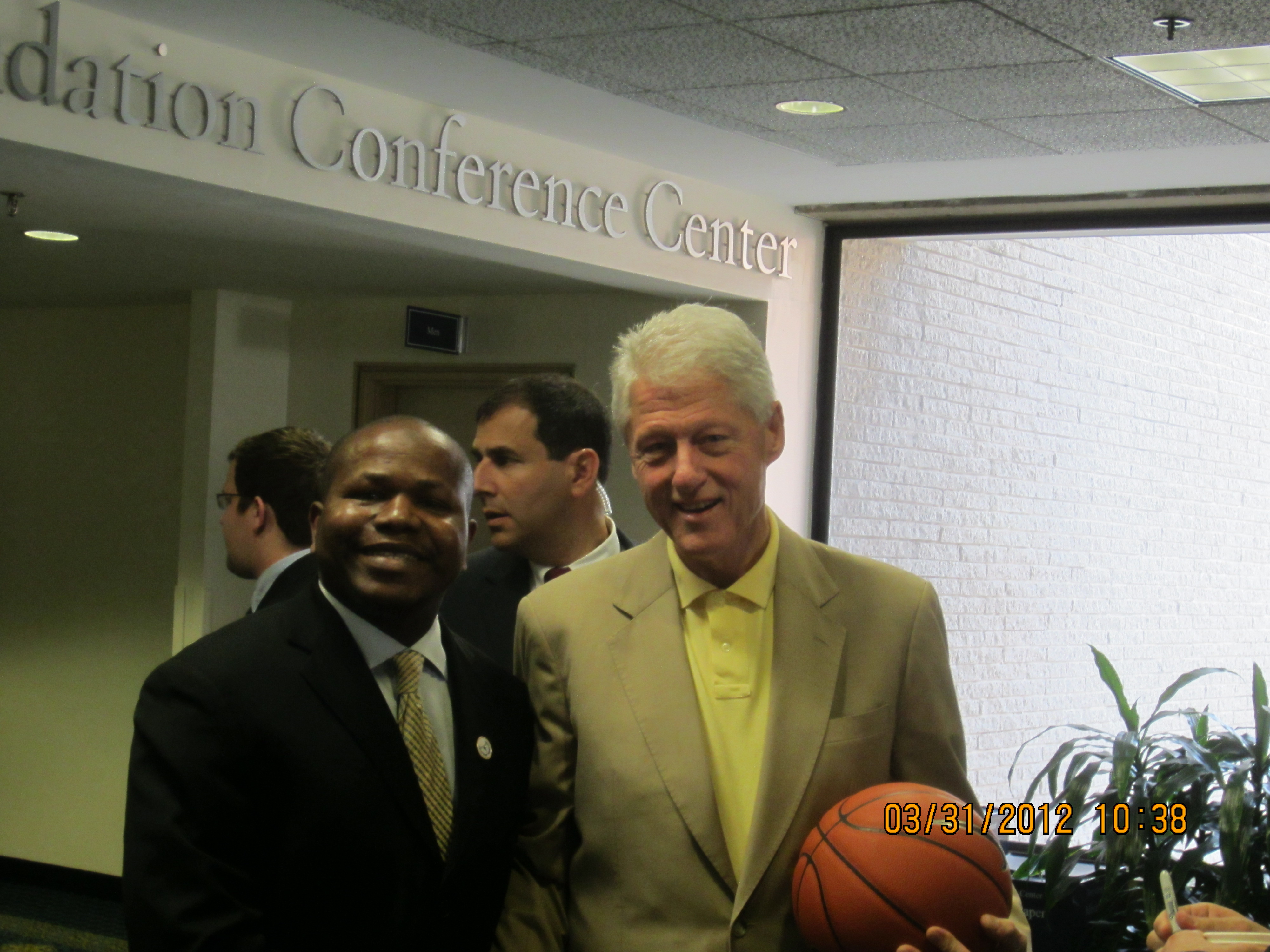
I have just come back from an  amazing three days in Washington DC with President Clinton, Chelsea Clinton, Jon Stewart and about 1000 students from around the world who are committed to action in making a positive impact on the world.

Bill Clinton & I

While I am unable  to write a full blog post on the highlights of the 2012 Clinton Global Initiative University at the moment, I wanted to share with you the video below in which I engage with President Clinton on the issues of public service, youth and Africa.

Idris Bello (Afropreneur) engages with President Clinton and Jon Stewart at CGIU 2012 from Afropreneur on Vimeo.

One of my greatest takeaways from the 3 days was the quote ‘ Talent is universal, opportunity is not’, hence it is our responsibility to connect those with talent to opportunities wherever we find it.


V

Bill, I swear its true!

You can watch the full video of the session between President Clinton and Jon Stewart here.

Posted in Uncategorized | Tagged | 3 Comments

If you ignore Africa, you do so at your own peril- MIT Global Startup Conference

Its been a hectic couple of days. I left Oxford on Tuesday after staying up all night writing a 3000-word essay arguing that famines are complex phenomena whose causes cannot be simply boiled down to food availability problems or even Sen Amartya’s entitlement approach.

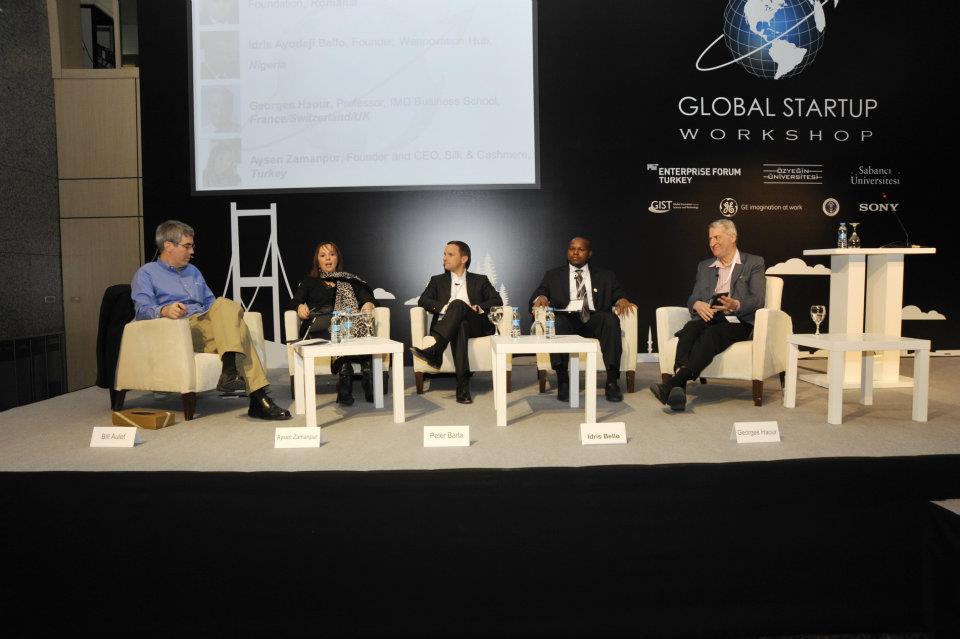
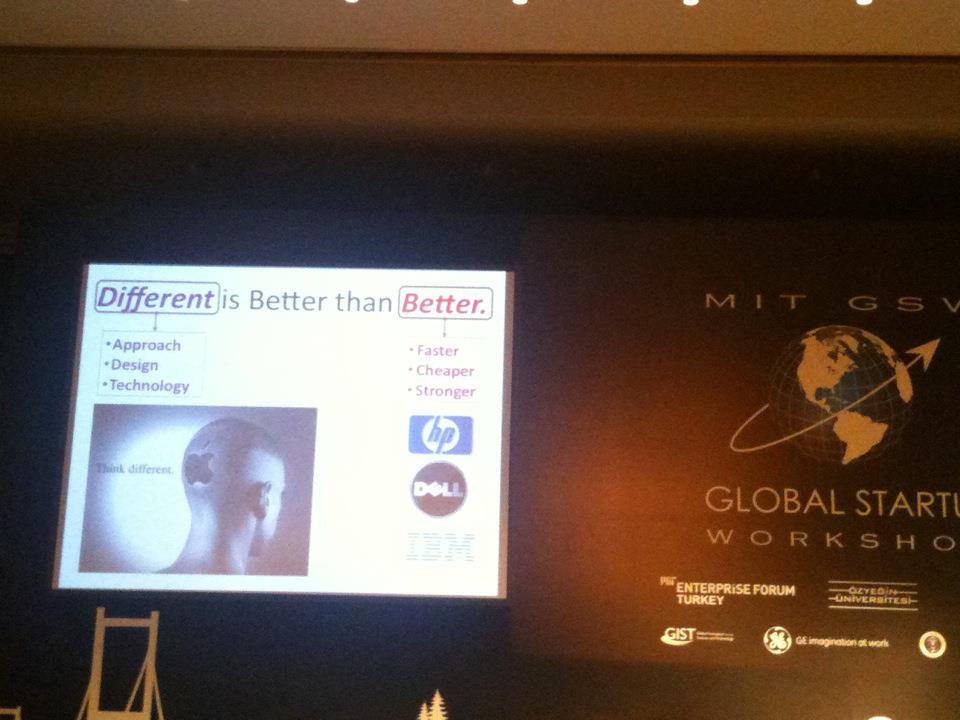
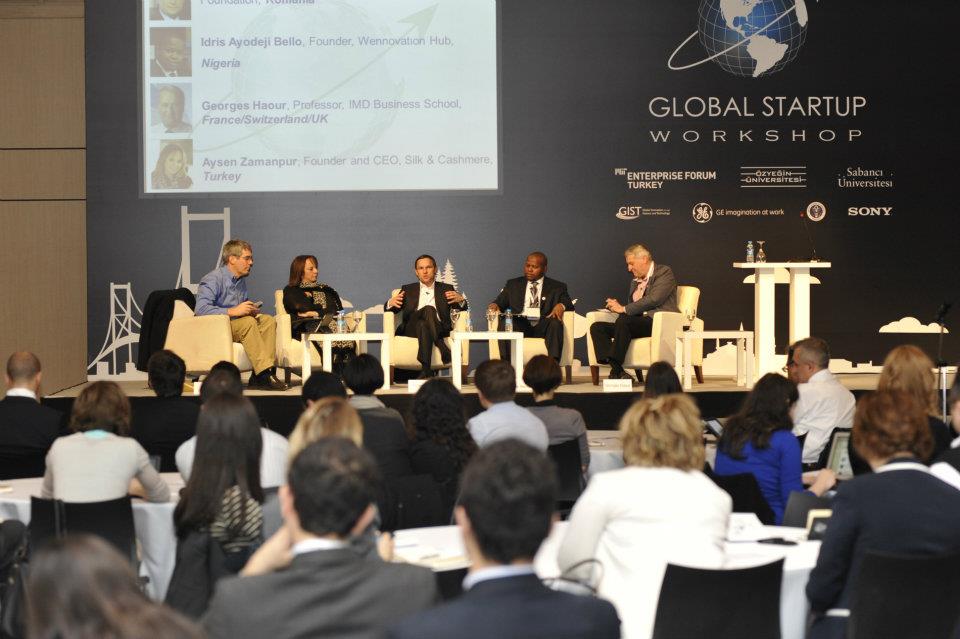
A few hours later, I was in Istanbul, Turkey where I spent Wednesday to Friday as an invited speaker and MIT Fellow at the 2012 MIT Global Startup Conference to explore the theme Directions for Innovation. Over three days, we discussed new technological directions, global market directions and strategic directions for entrepreneurs, investors, and supporting organizations. Turkey, situated at the crossroads of civilizations with a vibrant economy, young population and fast growing consumer market, is poised to be a regional hub for entrepreneurship and investment. Istanbul, spanning East and West, was an inspiring location for this year’s MIT GSW.

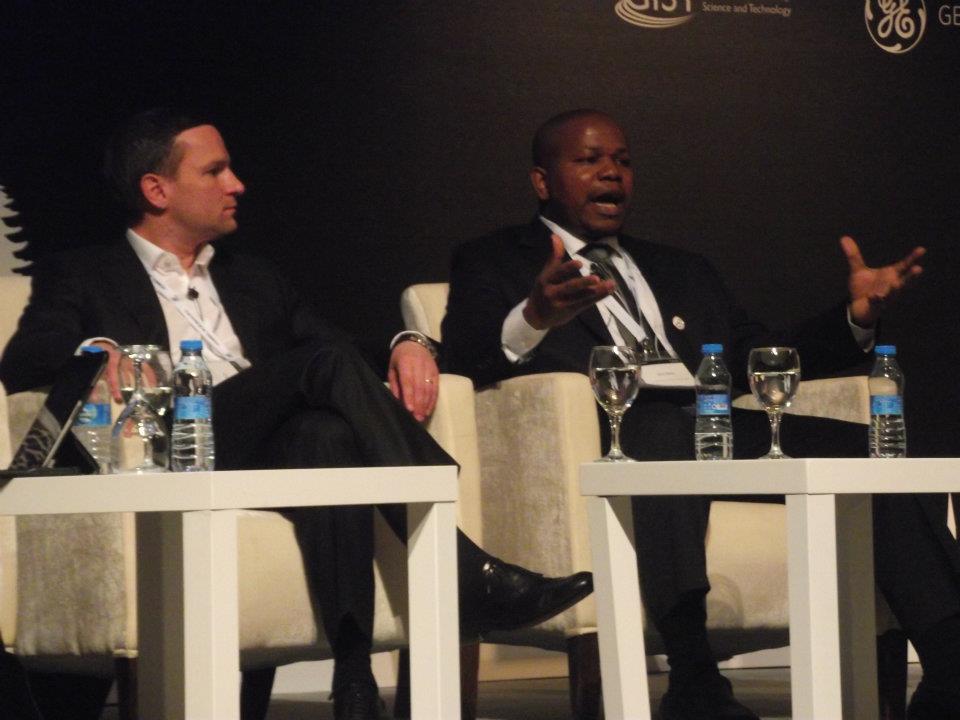
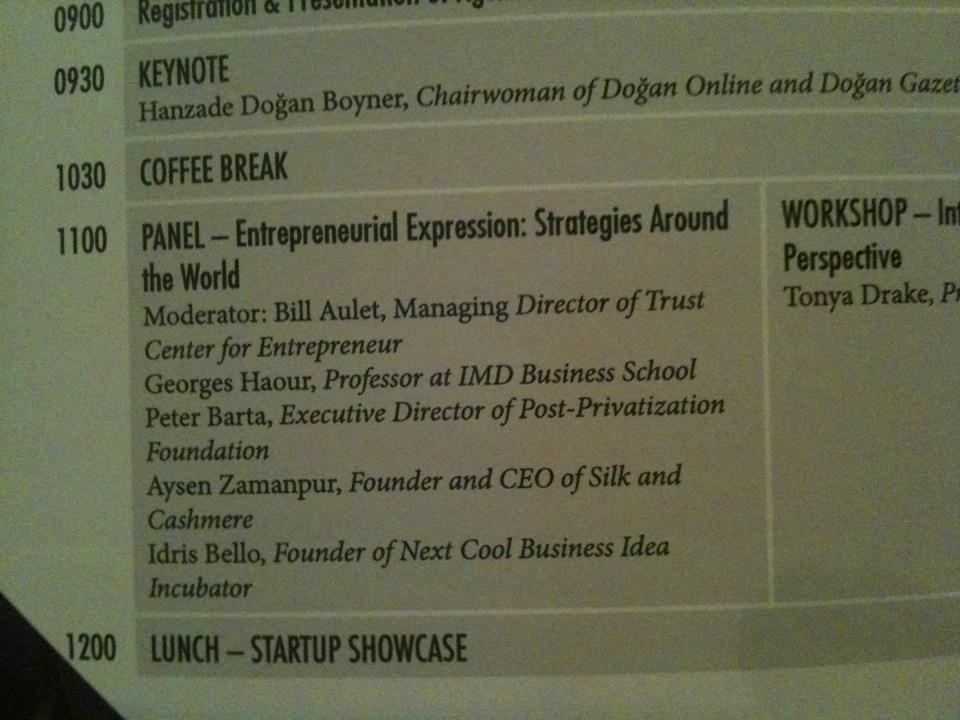
One of my panel sessions dwelled on Entrepreneurial Expression: Strategies Around the World

Moderator: Bill Aulet, Director of MIT Trust Center for Entrepreneurship
Georgos Haour, Professor IMD Business School
Peter Barta, Executive Director of Post Privatization Foundation
Idris Bello, Program Director “Wennovation Hub”
Aysen Zamanpur, Founder and CEO Silk and Cashmere

For great tweets from the conference, you can check the hashtag #mitgsw on Twitter.

My opening remark at the panel session was; ‘If you are looking to hear about Africa in the context of hunger and starvation, you may leave now!”

Yes , there is hunger and starvation. There is hunger in Mogadishu, but there is also homelessness in Oxford. And there are many conferences devoted to talking about hunger, and many speakers better suited to discuss that. However, I choose to tell my own story, and its a story of what is possible (and happening) despite the many problems and challenges.

In sharing the great news about the startup revolution in Africa, I did reference  this crowdsourced map of tech hubs/incubators across Africa, most of them less than two years old.

As I head off now to Washington DC for the 2012 Clinton Global Initiative with President Clinton starting this evening, I am unable to write a full post, but will let you enjoy the pictures below.

Posted in Uncategorized | Tagged | 3 Comments

10 African tech voices to follow on Twitter

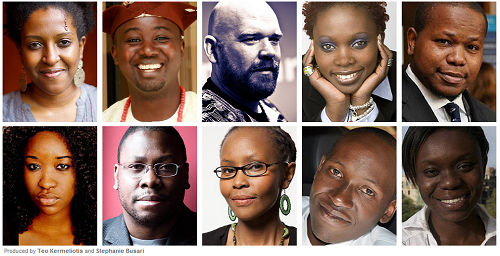
So yesterday, my humble self was profiled by CNN as one of the 10 leading tech voices from different African countries.

While I am deeply honored at being listed along with several  people I look up to and respect greatly, such as Gbenga Sesan, Ory Okolloh (who I hope to meet soon), and Nmachi Jidenma, I will be the first to admit that there are several other Africans who are more deserving of the honor than myself, based on the amazing work they do on Twitter, related to the spread of technology in Africa.

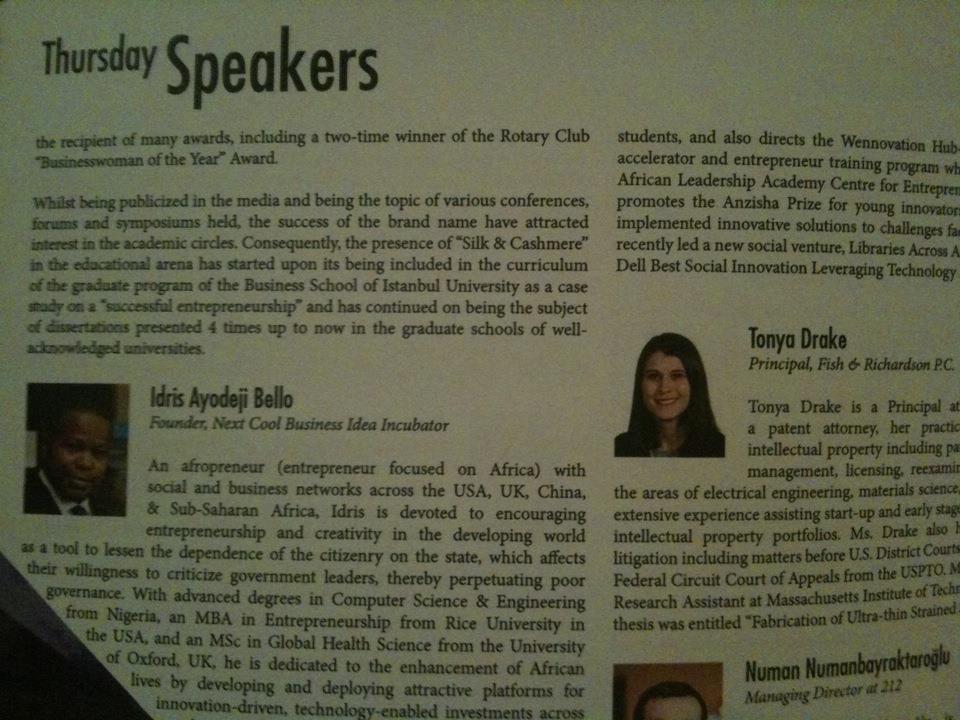
That said however, I am not one to refuse such an honor, but rather view it as  motivation to double my efforts around “encouraging entrepreneurship and creativity in the developing world as a tool to lessen the dependence of the citizenry on the state, which affects their willingness to criticise government leaders, thereby perpetuating poor governance.”
If you are really interested in technology in Africa, you need to also follow the following handles (by no means exhaustive);

@africatechie

@ActivSpaces

@appfrica

@OoTheNigerian

@Abocco

@loyOKEZIE

@sankara1111

@Tech4Africa

@africagathering

@kiwanja

@VC4Africa

@EmekaOkoye

Posted in Uncategorized | Tagged , , , , , | 4 Comments

The Wennovation Hub- A True Business Incubator

It’s difficult to believe that the first two months of the year have gone by this quick. I have not had the luxury to blog as often as I would have, given the fast pace of things. Trying to juggle school with the other hundred things going on in life has been a challenge by itself!

But first, a quick update on all the interesting things that have been happening.

At the Wennovation Hub, we spent the first two months of the year getting our first batch of wennovators ready to pitch to investors. If you recall, this batch was largely made up of the crop of students from the University of Ibadan that we worked with on mobile technology in partnership with MIT-AITI last June. After the training at UI, we selected the top seven students from the program to have their ideas refined and incubated at the Wennovation Hub. Thus kicked off WennoCamp 1.0 For Mobile Apps Development  on October 2011 with the tagline 1 dream, 2 Companies, 3 Products, 4 Mentors, 5 Consultants, 6 Weeks , 7 Entrepreneurs & 49 days from ideas to funding!

After several gruelling 7-day weeks  with mentors, customers, in the hub and on the field as attested to by the blogs they kept (when they were not working) http://valleybits.blogspot.com/?z   and http://www.opacustech.com/ , it was finally time to get a feel for the funding market, and thus on February 17, 2012 , they got the opportunity to pitch their products, showcase working “demos” and the market opportunity to top investors under the auspices of a funding initiative conceived with the Tony Elumelu Foundation & Heirs Holdings Limited.

The event which was a closed door session was hugely positive and also had some of our mentors such as Macauley Atasie of NextZon and Koyejo Abiola from Main One in attendance. Its amazing seeing the transformation these guys have gone through between last June and now. See more details here

The ValleyBits Guys getting feedback on their pitch from the TEF crew

The ValleyBits Guys getting feedback on their pitch from the TEF crew

And still talking about the Wennovation Hub, also in February , we entered into a partnership with the African Leadership Academy Centre for Entrepreneurial Leadership (with a multi-year grant from a leading global foundation – The MasterCard Foundation) towards partnering to launch the Anzisha Prize Tour in Nigeria . The Anzisha Prize is the premier award for Africa’s young entrepreneurial leaders ages 15-20.  We gave a presentation to over 2000 students at the Junior Achievement event in Lagos yesterday about the Prize, and also  plan to hold two information summits in Lagos at the Wennovation Hub on March 17 to promote the prize and get youth in Nigeria excited about entrepreneurship. You can see more details here

As the Wennovation Hub Director, I see a lot of  synergies between the Anzisha Prize and the strategic objectives of the hub going forward to develop a robust pipeline of young entrepreneurs that will eventually feed the hub’s incubation platform. The De La Rue Africa Innovation Prize that focuses more specifically on higher education students further enriches this objective and is also set launch later this year by the Wennovation Hub in Nigeria.   You can see more details here

Posted in Africa, Afropreneurship, Innovation, Investment, Nigeria, Social Enterprise, wennovation | Tagged , , , , | 2 Comments

Off to Cape Town:Roundtable Discussion with Honorable Trevor A. Manuel and Africa’s Social Entrepreneurs

The next few weeks are already showing up to be hectic, which is why when I drew up my study plan for my April exams, I myself doubted if I was ever going to abide by it with all the things on my plate.

On Saturday, March 3, I am headed to Cape Town, South Africa.

My program starts on Sunday with  the Harambe Alliance Convivium,  a dinner in Cape Town  on Sunday with a cross-section of young African entrepreneurs and representatives of leading South African groups in the public and private sector for the purpose of exploring the nexus between the development of the continent and youth entrepreneurship.

On Monday, March 5, I am one of the entrepreneurship roundtable discussants at the ‘Roundtable Discussion with Honorable Trevor A. Manuel and Africa’s Social Entrepreneurs’ to be held at the Good Hope Chamber of the South African Parliament.  Our roundtable discussion will shed light on the challenges and opportunities of active participation of Africa’s youth in the private sector as a source of skilled labor and entrepreneurial innovation.The goal is also to engage with South Africa’s public and private sector on effective ways to unleash the entrepreneurial potential of Africa’s youth.

Tuesday, March 6, will start off with a visit to the South African Medical Research Council (MRC) Innovation Centre.         I am particularly interested in the work they are doing around the primary care space in preparing clinical guidelines for clinics especially as it relates to the adoption of health technologies. As can be seen here, the centre has done some good work and has been quite well-funded since 2007, and I am interested in best practices especially around government-industry linkages that can be leveraged elsewhere.

Still on Tuesday, I will be attending the Economist’s Africa HealthCare Conference at the Convention Square in Cape Town, together with  influential healthcare stakeholders from government, providers, suppliers and patient groups to confront and explore key issues around healthcare systems in Africa. With the theme, ‘Transforming Africa’s healthcare systems—where should change happen?’, I do hope it’s not just another talk shop, and does really offer some actionable steps towards improving the future of healthcare in Africa.

On arriving back in Oxford on Wednesday, March 7, I am headed to the TATA Idea Idol 2012 Grand Finale & Start-Up Exhibition, Oxford Entrepreneurs’ prestigious flagship business idea competition. While my team made it through to the semi-finals, we were not among the 6 finalists ,so it should be fun to watch the pitches and cheer them on.

March 27, God willingly, I am off to Istanbul, Turkey, where as a 2012 MIT Global Startup Fellow, I will be presenting at the annual MIT Global Startup Workshop (GSW), which brings together entrepreneurial leaders, financiers, students, professors, government agents and private parties to build a global support network for entrepreneurship.

The MIT GSW is the world’s premier workshop dedicated to fostering entrepreneurship and building entrepreneurial ecosystems globally.  Each year in a different location it brings together over 300 entrepreneurial leaders, executives, next generation entrepreneurs, professors, financiers, government agents and private supporters to build connections between cultures, regions and backgrounds.

On Friday, March 30, I will be leaving Istanbul for Washington DC, where I will be joining President Bill Clinton, my favorite show host, John Stewart of the Daily Show and other selected invitees at the Fifth Annual Clinton Global Initiative University Meeting at the George Washington University from March 30-April 1.

Did I mention I have six exams to write in April?  So help me God!

Posted in Africa, Afropreneurship, Education, Flights, Global Health, Harambe, Innovation, Oxford, Social Enterprise, Uncategorized | Tagged , , , , , , , | 3 Comments

An Afternoon with an m-trepreneur –Nick Hughes- Founder M-PESA (Mobile money platform)

I got a chance to spend some time with Nick Hughes this afternoon at the Said Business School over lunch.

Organized by the Skoll Centre for social Entrepreneurship, he was here to meet with students to discuss the future of mobile payments.

His bio was impressive.

Nick was most recently the Head of Global Payments at Vodafone, where he started M-PESA, the world’s largest mobile money transfer service (with more than 10 million users in Kenya.)  Nick initiated the M-PESA concept 2004 and grew the business unit into a multi-million euro P&L deploying M-PESA in multiple markets. Earlier, Nick set up an innovation fund within Vodafone to target opportunities in mobile services. Prior to joining Vodafone in 2001, Nick worked at BP, where he headed the climate change program for two years. He holds a PhD In Applied Science, and has an MBA with distinction from London Business School.

Since I had nothing else to do on a Friday afternoon, I decided to listen to him, and it was well worth my time.

In case you have never heard about M-PESA, you can read up here or watch one of their earliest commercials in Kenya.

Or put simply, in countries where conventional infrastructure is lacking, low cost handsets + cheap airtime + widespread distribution networks = a revolutionary way to conduct billions of micro-transactions on a daily basis.

Below I share some key notes I took from the talk.

Getting started is the most important thing! Find a way to fund your idea!

As a staff of Vodaphone, when Nick came up with the idea for a mobile money platform he was turned down by the Vodaphone CMO at the time and was only able to get started by winning one million pounds from a DFID-UK  funding program. The good thing from this however, was that he was not constrained by big company concerns such as getting stopped if the project was not meeting targets after a few months, or the budget constraints of Vodaphone.

Hence as an entrepreneur, getting that initial funding that allows you to move from the idea phase is key!  Do not be disappointed by early rejection!

Start soon, start simple

There was no mobile-money platform back in 2003 that could be leveraged upon (there are over fifty today), hence Nick had to get a small team of programmers from the ‘other place’ (Cambridge University).  The team was rough at the edges but was agile, and created something that was good enough to run with until IBM took over the platform three years later.

Start as simple as you can with stripped-out functionality. The problem with most failed startups is that they try to start at the end of the process.  If mpesa  had started out with all the functionality it has right now, it probably would have been too difficult for the consumers to understand.  As Nick said, “we never started out thinking we could have the 15 million customers we have today.  It also did not make sense for us to go in with a complex business case because that would have too many moving parts, with different partners having different ‘agendas’ “

Your initial business plan will change. Be comfortable with that!

According to Nick, mpesa did not start with the goal of Peer-to-peer money transfer.  The original idea was that of giving micro-finance loans. It was the era where microfinance was getting popular, and they thought they could help facilitate that through cell-phones. But as they launched in the market place, they found people were doing a lot of small money transfers from town to town (using the inter-city bus drivers) and were more interested in that than in loans.  They listened to the market place, and mpesa became a peer-to-peer money transfer business.

In Nick’s words “Find a way to put something in front of the customer as soon as possible, and then learn from the experience.” You need to move from ‘techie’ R&D to consumer-facing R&D as soon as possible!

Keep your proposition to the customer really simple.  His life is complicated enough!

“If we had gone to the average customer and told them about mobile banking or ecommerce, we would probably not have gotten anywhere with them.  Rather, we spoke to them in a language they understood.  We are going to make it easier for you to send money home.  That was clear to the guy in town who had to send money weekly to his family back in the village. It was clear to the trader who needed to pay for purchases.”

Do you know the number of startups where even the founders cannot describe what customer need they are satisfying in a simple sentence?   

m-Commerce is not just about the technology, it’s about a damn good distribution business:  “If you do not have well-paid, well-trained, active agents working as your touch-points, you do not have a m-Commerce business no matter how good your technology is.  At the end of the day, it’s a distribution game!”

Today, apart from the economic benefits to a mobile provider from customers using the mpesa card (an estimated 18% of Kenyan GDP moves about through the mpesa network in small amounts but in high volumes) , it also reduces churn (customer attrition) as a customer who uses an mpesa card on the Vodaphone network is likely to stay on the network.

A lot of entrepreneurs over focus on technology, thinking having the best technology is what is going to win the market for them.  By the time they find out it is not so, it is usually too late!

Why he left Vodaphone

This was probably the most interesting part of the talk for me as Nick spoke about why he left the mpesa team, and the work he was doing at the moment with Signal Point Partners.

According to Nick, a few years ago, due to some leadership changes at Vodaphone, while he felt the need to expand beyond mobile money to other opportunities that leveraged upon the growth of mobile money, the new management was more interested in expanding mpesa to other countries, so he thought it was time for him to leave, and started Signal Point Partners ( to advise and invest in companies in emerging markets that use mobile phones to deliver basic services.) with a few folks including Jesse Moore, a former Skoll Scholar at the Said Business School, University of Oxford.

Mobile Money is going to become a commodity, start thinking beyond that!

Nick believes the recent acquisition of mobile financial services company, Fundamo, by Visa is a sign that things are changing in that industry.  He thinks the acquisition is driven both by a feeling of threat to Visa’s business by the mobile money sector, and also a recognition of the opportunities in that sector.

While this is a good development, it however means that given another five to ten years, mobile money will become a commodity in almost all emerging countries, the sector will become highly regulated, thus stripping the margins away, and it will no longer be enough to offer mobile money.

However, this opens up a huge opportunity for entrepreneurs who can create services that are enabled by mobile money, and this is where the high margins are going to come from.


What is next?

With mobile communications and billing infrastructure in place, the next wave of big telecommunications growth will come from mobile services that provide low-cost access to the mass market for everyday tasks, such as moving money, calling a doctor, or trading goods.

Signal Point Partners starts up and incubates early stage mobile services ventures that have the potential to become leaders in this new market.

Interesting projects which Signal Point Partners are currently working on include Jipange Kusave, Kopa Solar and MeraDoctor.

Jipange KuSave is an innovative Micro Loan and Savings initiative targeted at low income Kenyans who do not have access to traditional financial services, referred to as the “unbanked”. Customers will be offered a series of low value loans which will include a compulsory savings component, so that on completion of the full loan series, customers will have acquired savings and a credit history.

Kopa Solar – This product uses mobile payments (smart chips in solar panels) as a way to pay slowly for renewable energy such as solar lighting.

MeraDoctor –  This is a new low-cost model of healthcare delivery in India targeting the mass market. Its initial Mera-Doctor product makes it possible for anyone to receive high-quality health advice and consultation via phone, anytime 24×7.

In conclusion, this is a great time to be involved in innovating services that you can collect money for, over the mobile platform. It’s important to start setting up new services that telecom providers can buy up in five years time. But remember; start simple, build trust, while acquiring customers!

Recommended reading from Nick: Portfolios of the Poor: How the World’s Poor Live on $2 a Day

Posted in Uncategorized | Tagged , , , , , , | 8 Comments

Creating high performance brands- When others zig, you need to Zag!

 I have been reading ‘Zag’ by Neumeier-author of ‘The Brand Gap’ and will be sharing some key points from the book for individuals and entrepreneurs working on their brands.

Zag- The #1 Strategy of High-Performance Brands

The goal is to provide insights, process, and courage to build a high-performance brand for individuals or companies.

A cluttered world

  • In today’s world of cell phones, tweets, and email, we are so connected that we risk becoming disconnected.
  • Companies have cited Blackberrys under the table as “the biggest obstacle to coherent meetings”
  • McDonald’s recently reduced avg-meal-delivery time to 121 secs.  They plan to shave off another 15secs by adding an RFID system.
  • Today’s real competition is not from other competitors, its from the extreme clutter of the marketplace.
  • 5 forms of marketplace clutter; Product clutter, Feature clutter, Advertising clutter, Message clutter, and media clutter.
  • Clutter; Too many products, too many features in each product, too many media messages, too many elements per message, too many channels.
  • When CEOs say half of ad money is wasted, but they just don’t know which half; it may be the half spent on message clutter
  • Fighting clutter with more clutter is like trying to put out a fire with gasoline

Barriers to Competition

  • Barriers to competition have changed over time.  At beginning of industrial revolution, it was ownership of the means of production.
  • When most companies had machines, barrier to competition became the factory
  • When more companies had factories, the barrier to competition became access to capital
  • As manufacturing gave way to information economy, barrier moved from monetary capital to intellectual capital.
  • With cracks in the intellectual capital barrier, newest barriers to competition are d mental walls erected by customers to keep out clutter.

Today, barriers to competition have moved from the physical to intellectual and from within company’s control to outside it.

What is Branding?

A company’s brand is just like a person’s reputation.  It’s not what you say it is – it’s what they say it is.  Your brand/reputation lies outside your control.  The best you can do is to INFLUENCE it!

Moving from Advertising to Branding

Traditional advertising is in death spiral because people don’t like 1-way conversations and people don’t trust advertising.  People are opting for web-based 2-way conversations rather than traditional intrusive one-way sales pitches . In addition,  the blurring of ‘church and state’ -content and advertising- by sneaking in ads into content is another reason for death spiral.

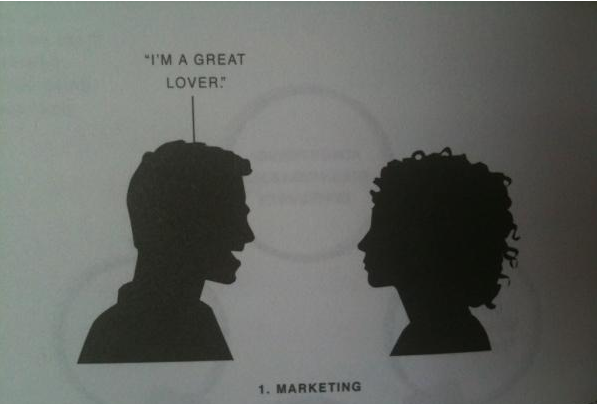
Marketing Defined-Guy says to Girl; I am a great lover.

TeleMarketing Defined-Guy calls Girl on phone and says : I am a great lover.

Public Relations Defined- Girl1 says to Girl2- Trust me. He is a great lover.

Advertising Defined- Guy says to Girl; I am a great lover.  I am a great lover.  I am a great lover.

Graphic Design Defined; Guy does not say any words to girl.  Instead he uses power of graphics to convey message.

Branding Defined: Girl says to Guy; “I understand you are a great lover “.

To be continued!

Posted in advertising, branding, communication, Education, Innovation, marketing, Social Enterprise, social venture capital, Uncategorized | Tagged , , , , , | Leave a comment

Michaelmas @ Oxford; A tale of classes, dinners and confounders!

As my first term at Oxford slowly slides into history, I am taking a moment to sit back, and remember the highlights of what has turned out to be an amazing nine weeks.

The Term: Michaelmas-pronounced “Mickel-mas”.
Michaelmas term derives its name from the Feast of St Michael and All Angels, which falls on 29 September. The term runs from October to Christmas and is the only term name shared by Cambridge and Oxford, which is interesting as they both have different names for the other terms. In Oxford, we have Michaelmas, Hilary and Trinity terms, while in the other place (Cambridge); they have Michaelmas, Lent and Easter terms.

Full term lasts nine weeks, numbered 0 to 8. Week 0 is for arrival, paper-work and collections.

N.B. In Oxford, the week begins on Sunday

The typical Oxford student ‘comes up’ into residence by midnight on the Friday before ‘Full Term’, which begins on a Sunday, and ‘goes down’ on the Saturday just over eight weeks later. ‘Coming up’ and ‘going down’ are also used to indicate the beginning and end of one’s total course or courses:
“I went up in Michaelmas 2011 and came down in Trinity ’12.” It is usual for students to refer to some event taking place in, say, Tuesday of ‘3rd week’ (of term), which can be unhelpful to those outside the University.

In the next couple of posts,one devoted to each term week, I will try and summarize the highlights of those weeks

Posted in Education, Michaelmas | Tagged , , | Leave a comment

Silicon Valley Comes to Oxford Appathon

One  of the great things about going to school at Oxford is the crazily large amount of activities going on at anytime. There is even a joke that Oxford students are tested on their ability to fit in a large amount of studying in between all the other activities such as interesting talks by speakers from every field of life, UK politicians and foreign presidents, social gatherings and BOPs, debates and quizzes, idea pitches and business plan competition.

 So  it was that as if I did not already have enough going on, I decided to get involved in the 2011 “ Silicon Valley Comes to Oxford” Appathon at the Said Business School.


Silicon Valley Comes to Oxford

Silicon Valley Comes to Oxford

Silicon Valley Comes to the UK (SVC2UK) is an annual event aimed at supporting pioneers of the most disruptive consumer internet and green technologies. The event involves a series of Appathons to be held at six universities including London, Cambridge and the University of Oxford. The idea is to build consumer-facing web and mobile applications, powered by government data.

The Appathon in Oxford was held on the 15th and 16th of October at Said Business School. There, I took part in a ‘coding competition’ on recently released government data sets in order to build applications using platforms supported by a diverse range of partners (Google, Microsoft, Facebook, Apple and Nokia). The aim is to produce high impact applications to unlock the power of public data to help “rewrite the rules of the Economy 2.0”.

Teams formed at the Appathon had until midnight of October 23rd in which to continue working on their apps and to submit them centrally to the SVC2UK National Appathon Competition.

Nine UK participants will win a trip to Silicon Valley, followed by a visit to SXSW in Austin. Ten regional winning teams will be invited to a TechCity gala dinner at Ravensbourne College as well as other events in London for Global Entrepreneurship Week.


Overall ,  it was an interesting experience, and at the end of the week, my team created the Uni2Jobs app which leverages government data to help guide students in making career decisions, especially understanding how their choice of course and university could affect their future earnings.

 We  may not end up winning, but it was fun to be part of the experience, and putting together the 5-minute video below. In all it also showed that a lot of great things can be achieved when you have DATA! (African governments, take note)

Posted in Africa, Education, Innovation, Social Enterprise | Tagged , , , , | 1 Comment